

Publication of the law transposing the SUP Directive
Publication of the law transposing the SUP Directive
A week ago, May 9, 2023 an act implementing the provisions of the SUP (Single Use Plastics) directive was published, which means that the regulations will come into force soon.
The regulations focus mainly on imposing restrictions and requirements related to the marketing and use of single-use products made of plastics, and on the selective collection of waste resulting from these products, and introduce the following obligations:
- Marking some products with symbols, used e.g. on cups containing plastics.
- Imposing new types of fees for specific plastic products, such as an end-user fee per package, a fee for collection, cleaning and transport, and a fee for public education campaigns.
- For beverage cups and food containers, provide reusable or non-plastic alternative packaging from July 1, 2024.
- Use recycled plastic in bottles.
- Achieving minimum levels of waste collection of beverage packaging in the form of single-use plastic bottles with a capacity of up to 3 liters,
- Reporting all activities by the BDO system.
The full text of the act is available HERE
Przesiądź się na rower! Dołącz do akcji Rowerowy Maj!
Przesiądź się na rower! Dołącz do akcji Rowerowy Maj!
Trwa najpiękniejszy miesiąc w roku! To dobra okazja, aby spędzić aktywnie czas.
Rowerowy Maj to największa inicjatywa w Polsce, która zachęca dzieci, uczniów szkół podstawowych, nauczycieli, rodziców i opiekunów do promowania zdrowego stylu życia i zrównoważonej mobilności.
Rowerowy Maj propaguje korzystanie z roweru jako środka transportu do szkoły oraz uczy dobrych nawyków, które pozostają z dziećmi po zakończeniu kampanii. Akcja przyczynia się do zmniejszenia liczby samochodów dowożących dzieci i motywuje samorządy do inwestycji w infrastrukturę rowerową, co skutecznie zmienia okolice szkół i przedszkoli na bardziej bezpieczne i przyjazne dla rowerzystów.
Jako partner kampanii, dla najaktywniejszych placówek przekażemy 120 naszych EkoPak. Chcemy szerzyć dzięki temu wiedzę o surowcach i ekologii wśród najmłodszych.
Serdecznie zachęcamy wszystkie dzieci i dorosłych do włączenia się w kampanię! Szczegóły TUTAJ.
A już w przyszłym miesiącu, 18 czerwca, odbędzie się rodzinny piknik podsumowujący kampanię w Parku Herberta na Bielanach! Do zobaczenia!

Wyjazd integracyjny zespołu Interzero w dniach 11-12 maja 2023 r.
Wyjazd integracyjny zespołu Interzero w dniach 11-12 maja 2023 r.
Szanowni Państwo,
W dniach 11-12 maja br. integrujemy się w naszym zespole na wyjeździe firmowym.
W związku z tym uprzejmie informujemy, iż w tych dniach nasze oddziały będą nieczynne, a kontakt z naszymi pracownikami utrudniony.
Do pracy wracamy w poniedziałek 15 maja.
Za wszelkie niedogodności najmocniej przepraszamy.
Zespół Interzero
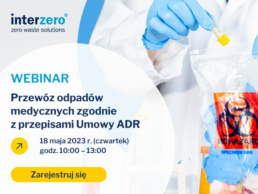
Weź udział w szkoleniu – Przewóz odpadów medycznych zgodnie z przepisami Umowy ADR
Weź udział w szkoleniu – Przewóz odpadów medycznych zgodnie z przepisami Umowy ADR
Serdecznie zapraszamy na webinar pt. „Przewóz odpadów medycznych zgodnie z przepisami Umowy ADR”, który odbędzie się już 18 maja 2023 roku (czwartek).
Szkolenie online poprowadzi: Magdalena Gepert, Specjalistka ds. przewozu towarów niebezpiecznych.
Zakres webinarium:
- klasyfikacja odpadów medycznych,
- odpady medyczne jako towary niebezpieczne,
- przygotowanie odpadów medycznych do transportu,
- wymagania prawne w stosunku do opakowań do odpadów medycznych,
- wyznaczanie doradcy ds. bezpieczeństwa przewozu towarów niebezpiecznych.
Szczegółowy zakres tematyczny oraz stronę rejestracji znajdziesz pod linkiem TUTAJ
Rejestracja na webinar trwa do: 18 maja 2023 do godziny 8:00.
Zapraszamy!
Pakujemy się w kłopoty? – nowy raport o segregacji odpadów od Interzero
Jedynie 51% respondentów badania, przeprowadzonego przez Opinia24 dla Interzero, deklaruje, że segreguje odpady na wszystkie 5 frakcji, 43% uważa, że robi to poprawnie, a większość nieprawidłowo interpretuje znaczenie oznaczeń na opakowaniach. Raport „Pakujemy się w kłopoty? – co Polacy wiedzą o opakowaniach i jak sobie radzą z segregacją odpadów” jest już dostępny.
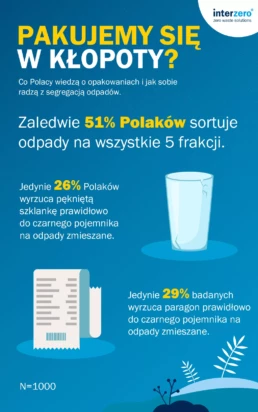
Selektywna zbiórka odpadów komunalnych w minimalnym (czyli 5-pojemnikowym) systemie jest obowiązkiem każdego z nas i wynika z zapisów ustawy. Jak to wygląda w gospodarstwach domowych? Blisko 90% badanych dzieli odpady na szkło, metale i tworzywa sztuczne, minimalnie mniej na papier (84%), a jedynie 62% bioodpady. 26% przyznaje, że ma problem z wyborem właściwego pojemnika. Większość badanych wie, jak postąpić ze szklaną butelką czy pojemnikiem po jogurcie. O ile proste, monomateriałowe opakowania nie budzą wątpliwości to inaczej sprawa wygląda z z pękniętą szklanką (74% błędnych odpowiedzi), kartonem po napoju (49% błędnych wskazań), zużytym ręcznikiem papierowym czy paragonem (odpowiednio 53% i 71% błędnych odpowiedzi).
Źródłem wiedzy o tym, jak postąpić ze zużytym opakowaniem powinna być między innymi jego etykieta, ale choć 90% badanych je czyta, to jedynie 15% szuka wskazówek o sposobie wyrzucenia. Robiąc zakupy Polacy często sprawdzają składy, parametry i właściwości produktów, ale znacznie rzadziej zwracają uwagę na inne symbole, które znajdują się na opakowaniu. Najczęściej interesuje badanych data przydatności do spożycia (85%) i skład produktu (76%). Aspekty związane z ekologią, takie jak kraj pochodzenia, certyfikaty, instrukcja postępowania z opakowaniem, czy jego zdatność do recyklingu budzą zainteresowanie zdecydowanej mniejszości.
Blisko 40% badanych uważa, że opakowania produktów zawierają zbyt wiele informacji, przez co trudno jest im znaleźć te, których szukają. Polscy konsumenci mają też problem z poprawnym zidentyfikowaniem symboli opakowań. Znaczek recyklingu, występujący w polskim rozporządzeniu o oznaczeniach opakowań, rozpoznaje zaledwie 11% ankietowanych. Jeszcze mniej osób (8% badanych) spotkało się z oznaczeniem produktów wielokrotnego użytku i opakowaniem kompostowalnym. Jedynie dwa symbole są powszechnie znane wśród konsumentów – międzynarodowy znak recyklingu – Wstęga Möbiusa oraz „zachowaj czystość” – tzw. TidyMan.
Raport „Pakujemy się w kłopoty? – co Polacy wiedzą o opakowaniach i jak sobie radzą z segregacją odpadów” jest dostępny pod tym linkiem.


Millions of fines for waste? Is it possible?

Millions of fines for waste? Is it possible?
Unfortunately yes. This is a way to tighten sanctions for not keeping records of waste or commissioning its transport to persons operating in the so-called shadow economy.
On April 7, Przemysław Kuna , Managing Director at Interzero, took part in the episode of the Przygody Przedsiębiorczości podcast on waste management in the company.
Topics covered during the interview:
– What is ROP (Extended Producer Responsibility),
– What is BDO (Waste Database),
– What is the level of awareness among Polish entrepreneurs,
– What are the consequences of non-compliance with ROP rules,
– What do official controls look like and how to protect yourself against penalties,
– What is waste management and what is it for,
And what can be expected in the future in terms of waste and environmental protection.
We encourage you to watch the whole interview on the Adventures of Entrepreneurs channel HERE
Święta Wielkanocne
Święta Wielkanocne
Z okazji zbliżających się Świąt Wielkanocnych, chcielibyśmy złożyć nasze najserdeczniejsze życzenia pełne radości, zdrowia i pomyślności.
Wierzymy, że ten nadchodzący czas będzie dla Was okazją do odpoczynku, refleksji oraz spędzenia czasu w gronie bliskich i przyjaciół. Niech towarzyszące nam tradycje oraz zwyczaje Wielkanocne przypomną o wartościach, które są najważniejsze w życiu – miłości, rodzinnym ciepłu i życzliwości!
Zespół Interzero
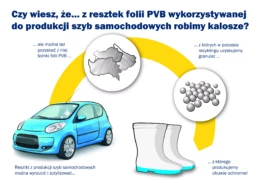
Innovative raw material management developed by Interzero
Innovative raw material management developed by Interzero
Sustainable development and closing the loop can be an opportunity for companies. ESG regulations are worth looking at not only in terms of potential costs for the company, but also measurable benefits, including profits and savings of natural resources.
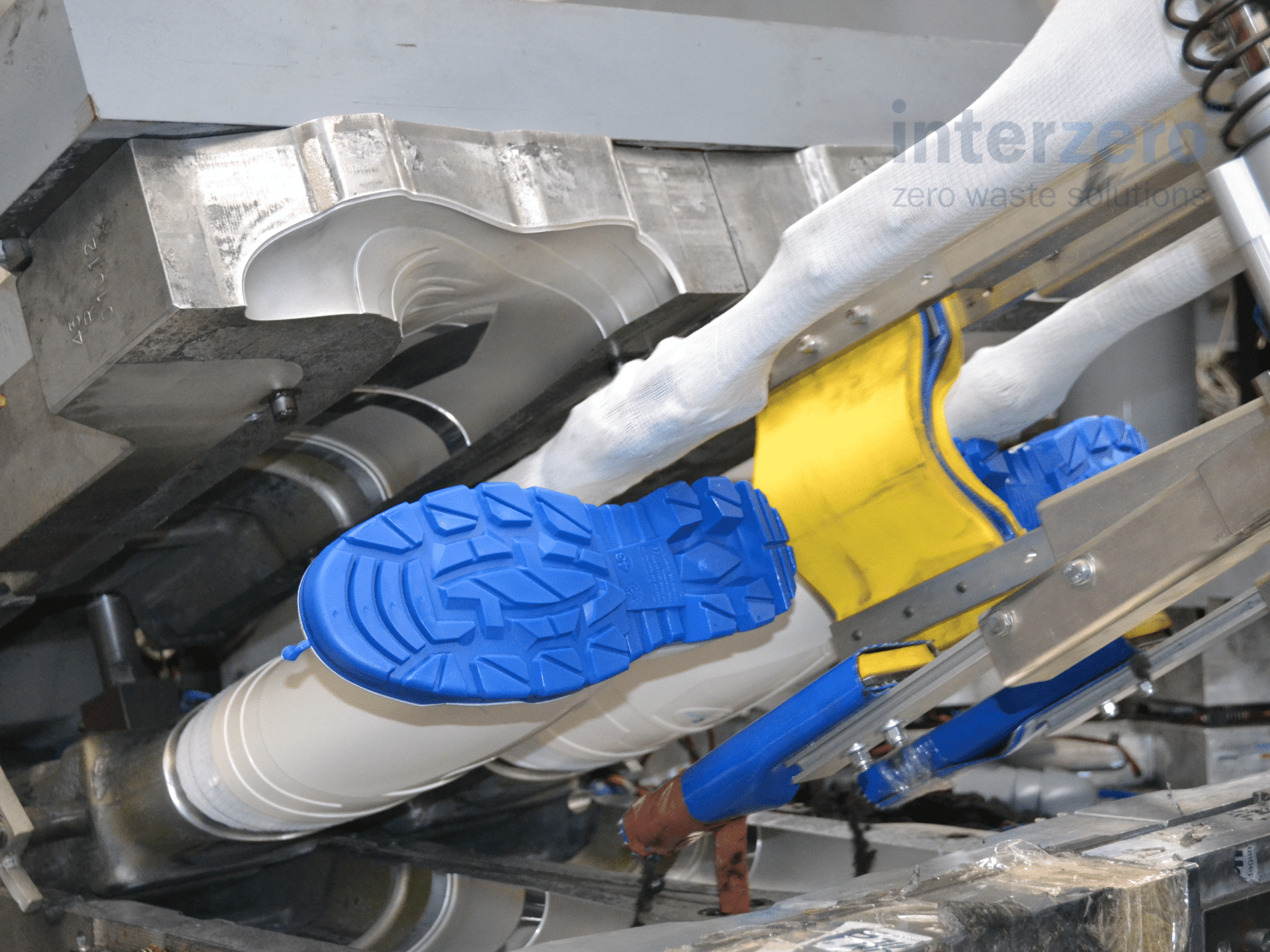
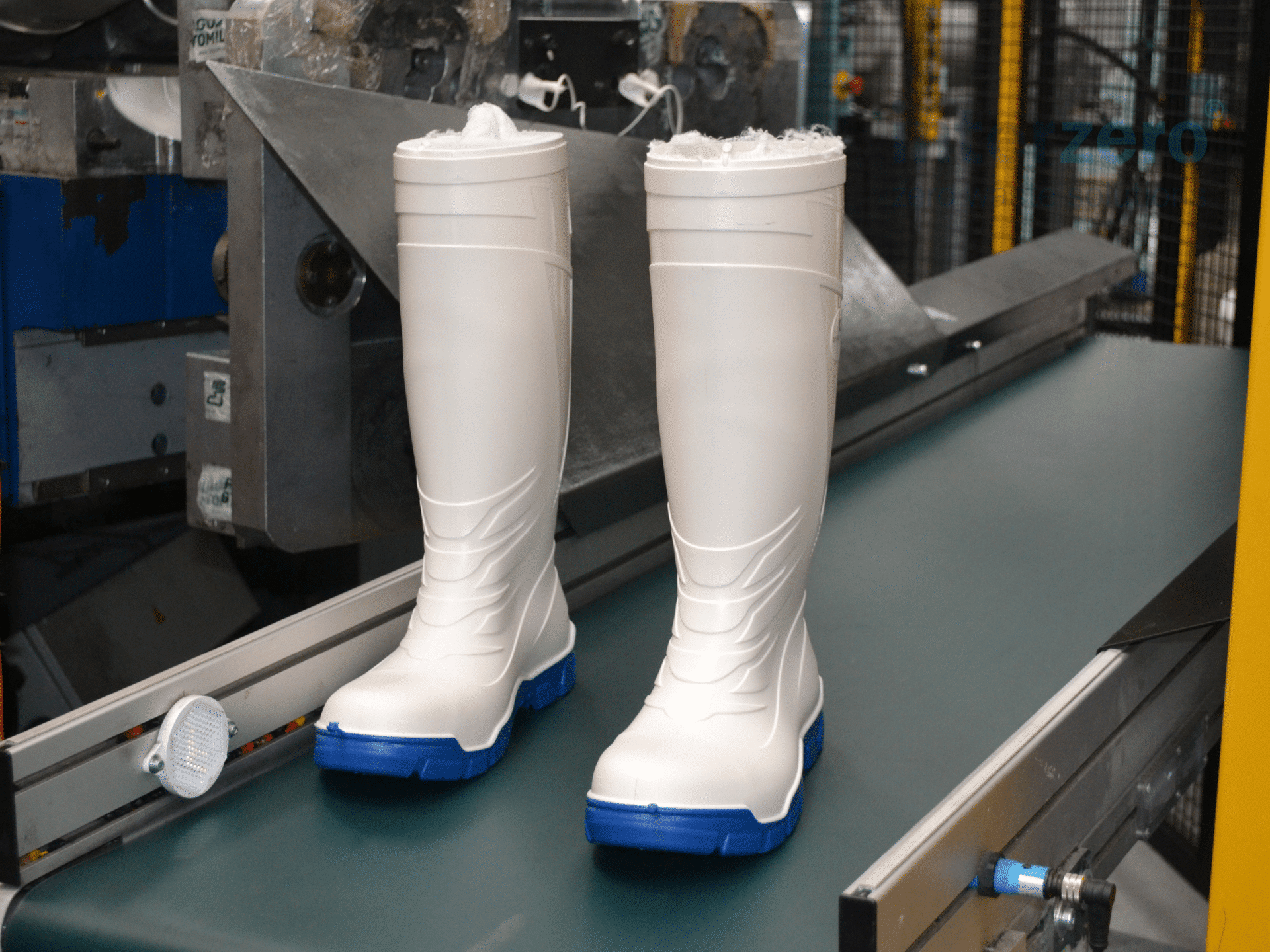
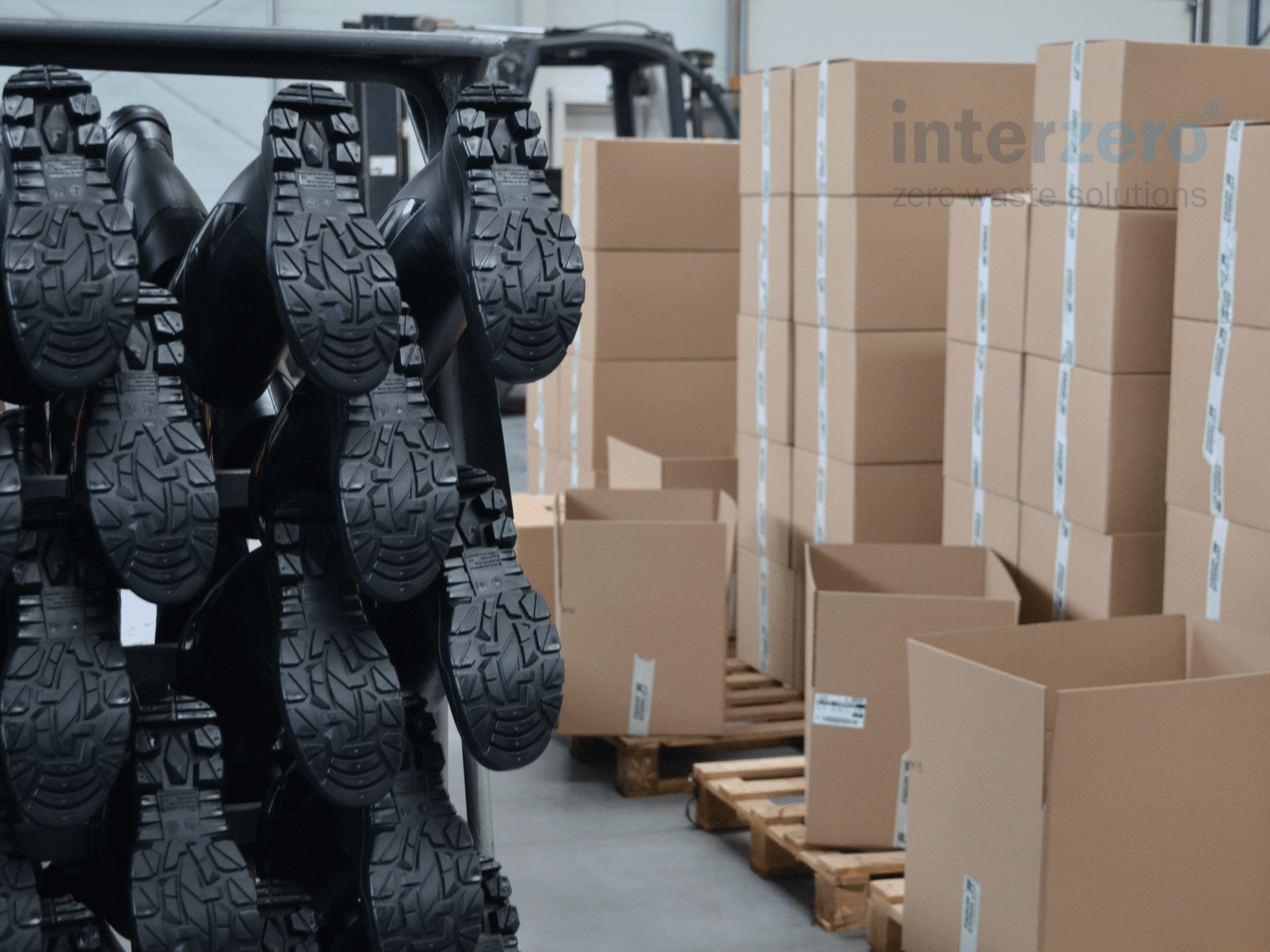
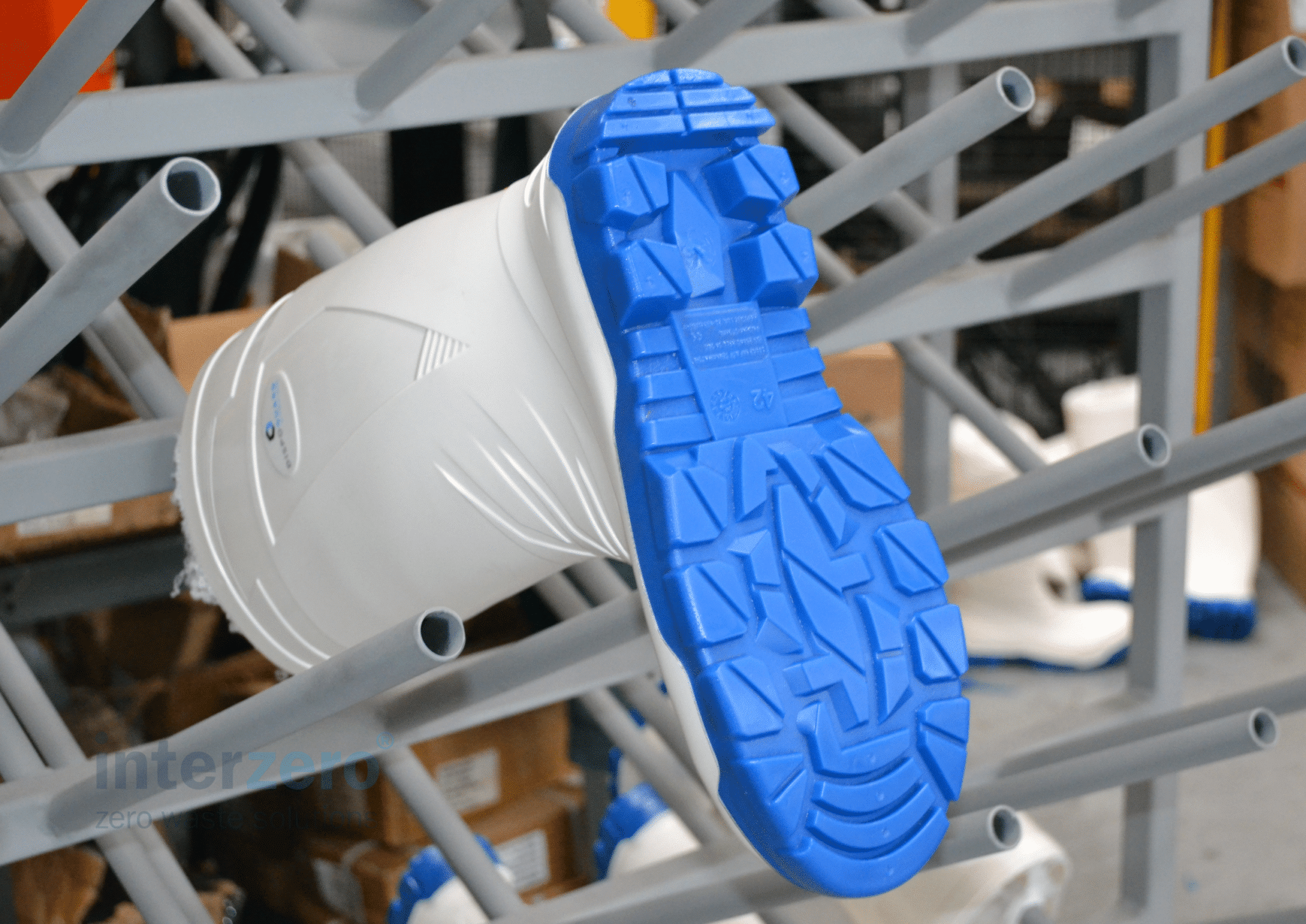
Knowing this, we started cooperation with Fagum-Stomil and thanks to our joint commitment, we managed to develop a way to use the leftovers of the PVB film used in the production of car windows for the production of rubber boots. Due to its composition, the film is very difficult to process, as it sticks together. After long tests, conducted since 2021 by Interzero and Łukpol , it was possible to develop a method for processing PVB scrap and its reuse for the production of shoe granules. In this way, the material previously perceived as a difficult raw material is recycled and reused.
The developed method gives measurable benefits for the environment – it reduces the amount of natural resources needed for production, reduces pollution and exploitation of the environment, and leads to mitigation of the climate crisis.
As an industry leader, we pursue the mission of supporting the circular economy by searching for innovative, integrated environmental solutions focused on the future. We hope that our many years of experience and acquired know-how will allow us to implement even more projects focused on environmental benefits in the near future.
We encourage you to view the photos of the product.
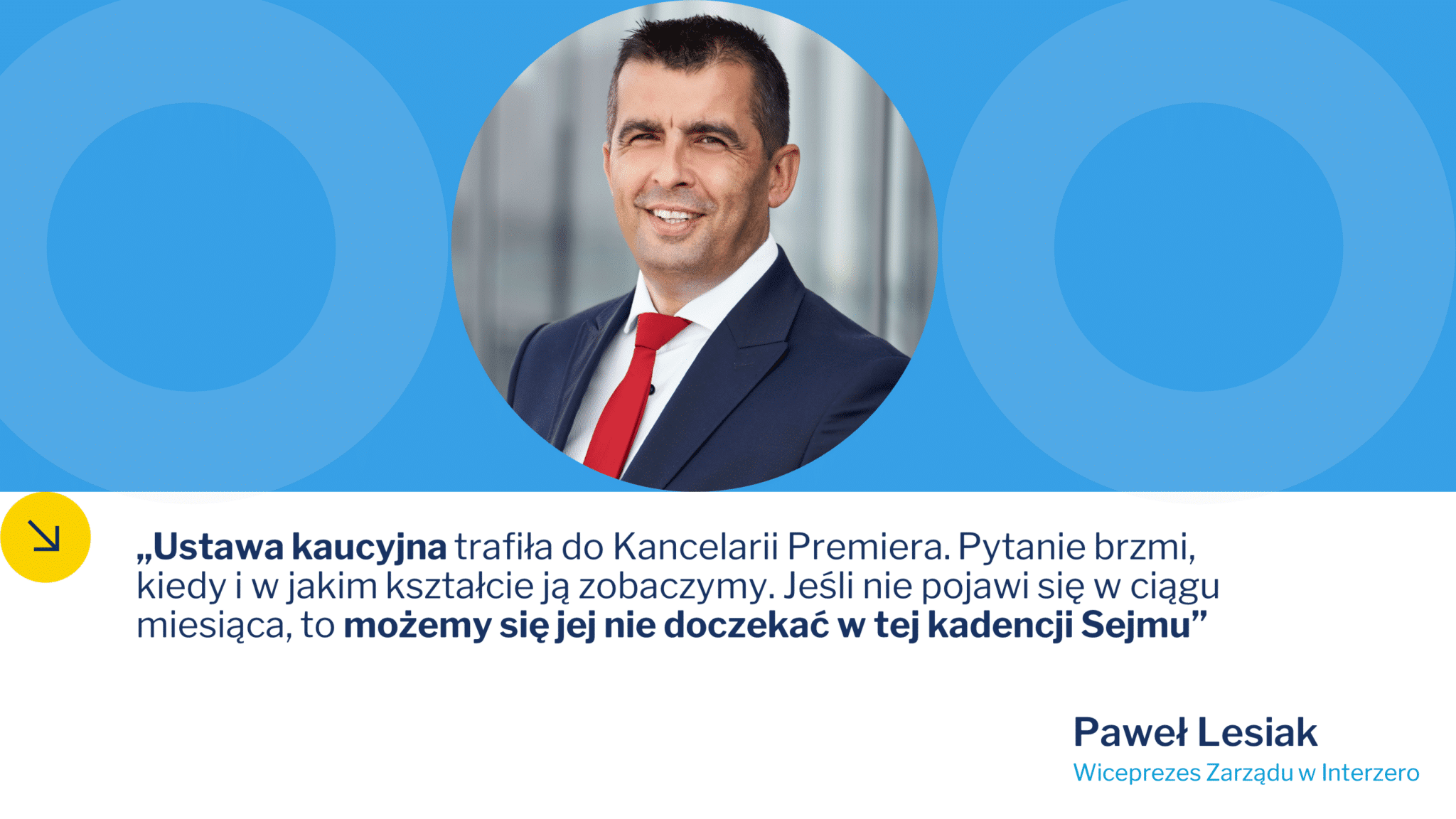
We need to start working on bail
We need to start working on bail
What will be the effects of delays in legislative work on the deposit-refund system? What about the excessive burning of packaging and what will the future of chemical recycling look like? These topics were raised in the latest debate „Packaging in the circular economy: from ideals to practice” for Rzeczpospolita .
The meeting was attended by Renata Juszkiewicz, Anna Larsson, Robert Chciuk, Konrad Nowakowski, Jacek Wodzisławski, Andrzej Gantner, Łukasz Sosnowski and on behalf of Interzero Paweł Lesiak , Vice-President of the Management Board. The debate was moderated by Aleksandra Ptak-Iglewska.
As part of the meeting, the future of the European packaging market, the effectiveness of recycling in Poland and the topic of reusable packaging were discussed.
The participants, discussing the deposit-refund system, pointed out that, taking into account the PPWR criteria, including dairy product packaging is not entirely a good idea.
“I agree with the proposal not to include dairy product packaging in the system. However, this would be tantamount to failure to meet the collection obligation resulting from the ordinance. There is no good solution here. The EU regulations directly result in the obligation to include dairy product packaging in the system. A compromise solution would be to postpone the entry into force of the deposit obligation for this assortment. This would allow us to gather the first experience of the system’s operation in other ranges of materials and prepare for it better.” – said Pawel Lesiak.
The obligation to introduce the system to smaller stores also became the subject of disputes. Experts have noticed that small retail chains want to join the system, seeing financial benefits and the possibility of attracting customers.
„As Interzero, we run such a system in small stores in Germany. In our western neighbor, these smaller entities, despite the statutory exemption, willingly join it. It is business justified, because if the customer cannot return the bottles in a given store, they simply he will start shopping elsewhere. In Poland, we should think in a similar way, regardless of the discussion about regulations. I am in talks with retail chains, including small shops, and I hear that they are very interested in the system and want to join it, „said Paweł Lesiak.
Link to the entire debate HERE
How can business benefit from waste?
How can business benefit from waste?
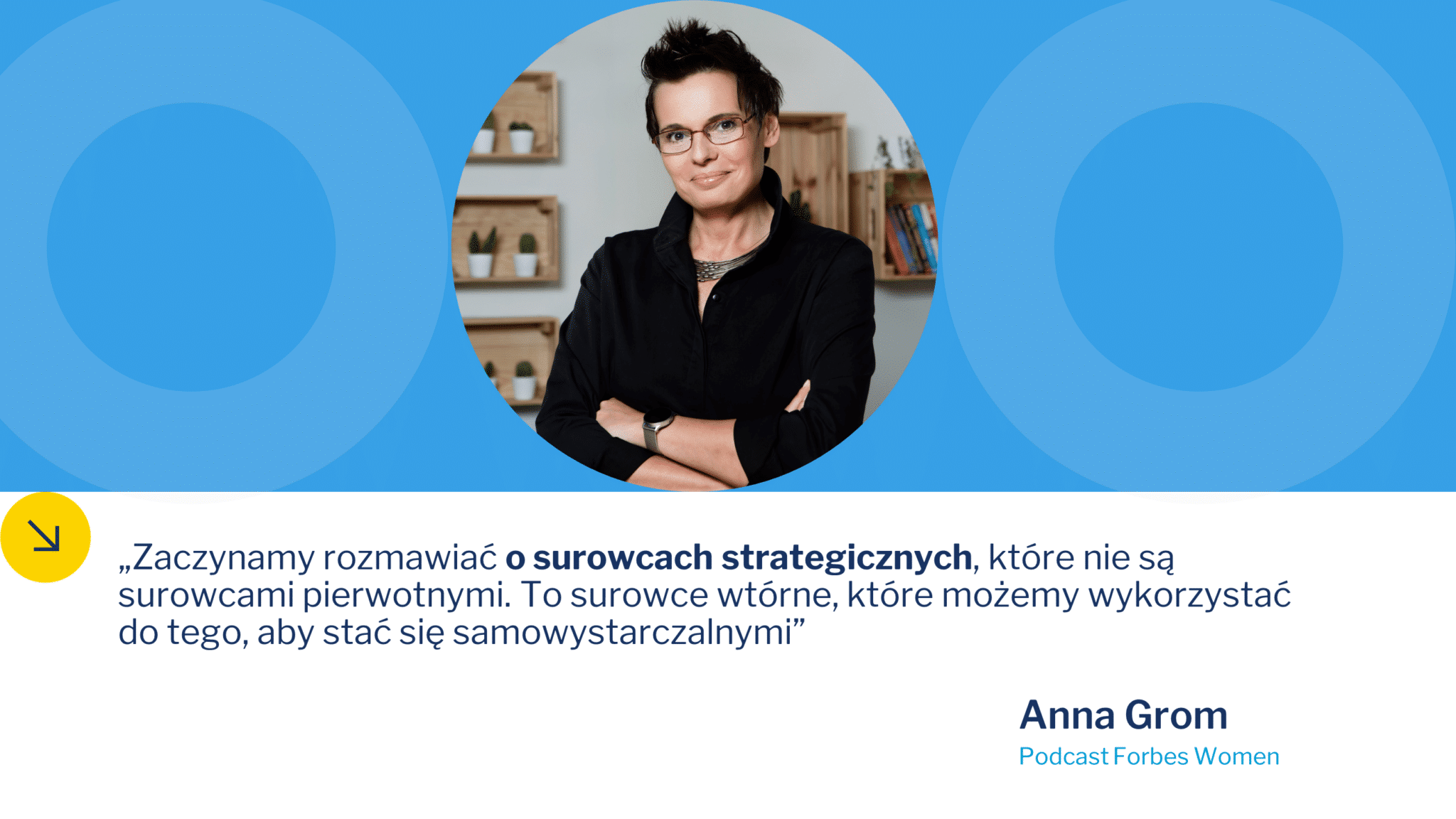
Anna Grom, President of the Management Board of Interzero, talked about innovative ecological solutions, an unstable legal situation and the implementation of the circular economy concept in the latest podcast for Forbes Women Polska.
Environmental protection should not be an abstract value, but a necessary condition for our continued existence. It is worth constantly analyzing what is happening in our country and in the world in terms of sustainable development. A trend that can be noticed in terms of waste management is the fact that the young generation increasingly often stops paying attention to the brand and starts to notice the impact of a given company on the natural environment. Big players are also aware of the cost of raw materials used for production and strive to acquire raw materials for their own.
As an integrator of sustainable environmental solutions, Interzero analyzes the needs of customers and together with them looks for solutions that can bring measurable financial and ecological results. We are already taking actions that allow us to close the circulation of raw materials – we advise companies on how to optimize processes, e.g. through sustainable packaging design, and we also implement circular economy concepts in existing and new business models.
We encourage you to listen to the entire podcast HERE