

Preparation of documentation
Preparation of environmental documentation
Did you know that.
If you operate an installation that causes emissions into the environment - gases or dust, waste, sewage - you will be required to obtain the relevant permits or notifications.
If you are operating an installation that falls into the group of installations that may cause significant pollution of specific natural elements, or of the environment as a whole, you will be required to obtain an integrated permit.
If you are an Entrepreneur who intends to carry out an investment that has an impact on the environment in accordance with the provisions of the Decree of the Council of Ministers of 10 September 2019 on projects that may have a significant impact on the environment, you will be required to obtain a decision on the environmental conditions of the project.

Our specialists will prepare a comprehensive application, including documentation, and will participate in the proceedings. Thanks to our specialists, you will be able to navigate the legal complexities of the administrative authorities without any unnecessary stress!
We prepare applications with the documentation to obtain:
- integrated permits,
- permits for the introduction of gases and dust into the air,
- water licences,
- waste generation permits,
- authorisations for processing and collection Waste,
- emission notifications.
We also prepare project information sheets and environmental impact reports.
Contact

audyty@interzero.pl

Training
Environmental training
We organise training courses in the broad field of environmental protection dedicated to entrepreneurs from various sectors, both in the form of remote as well as stationary.
There are two ways to take part in the training courses organised by Interzero:
- By joining webinars live
- By subscribing to a dedicated on-site training organised specifically for your company
Live online training - remote meeting with an expert in real time
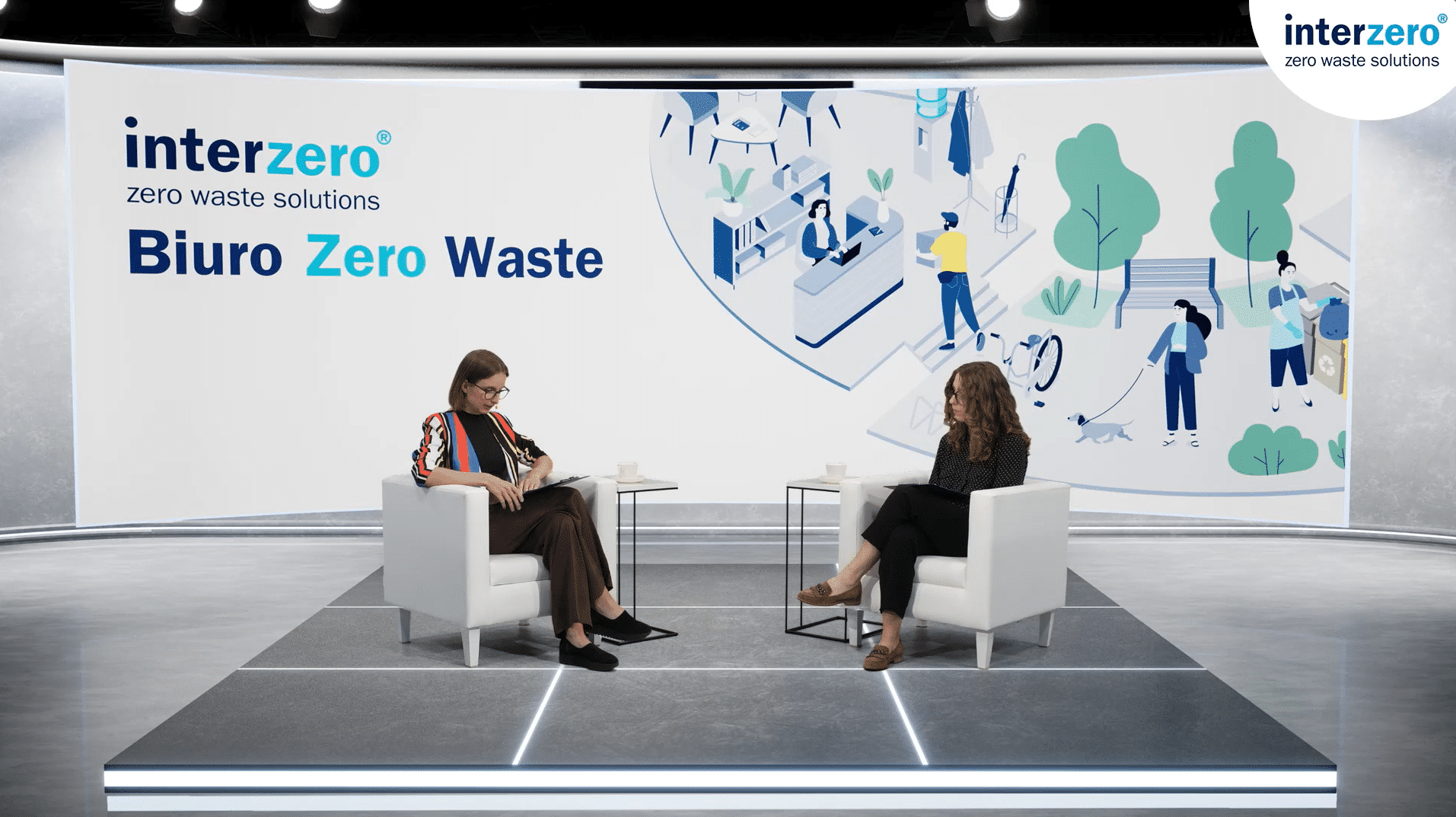
Interzero webinars are held on average once a month in a remote format. Topics covered during the meetings include general environmental issues and new regulations that may affect your business. These are usually 2-hour meetings with an Interzero (or external) expert who discusses the issues and also answers participants' questions from a chat room. This is a convenient and interactive form of training that you can complete while you are at work or on holiday without having to leave your home. After the training, you will receive a certificate confirming the skills you have acquired and a presentation from the training. You can find out about upcoming training on our social media sites: LinkedIn and from the Interzero website in the news: https://interzero.pl/aktualnosci/
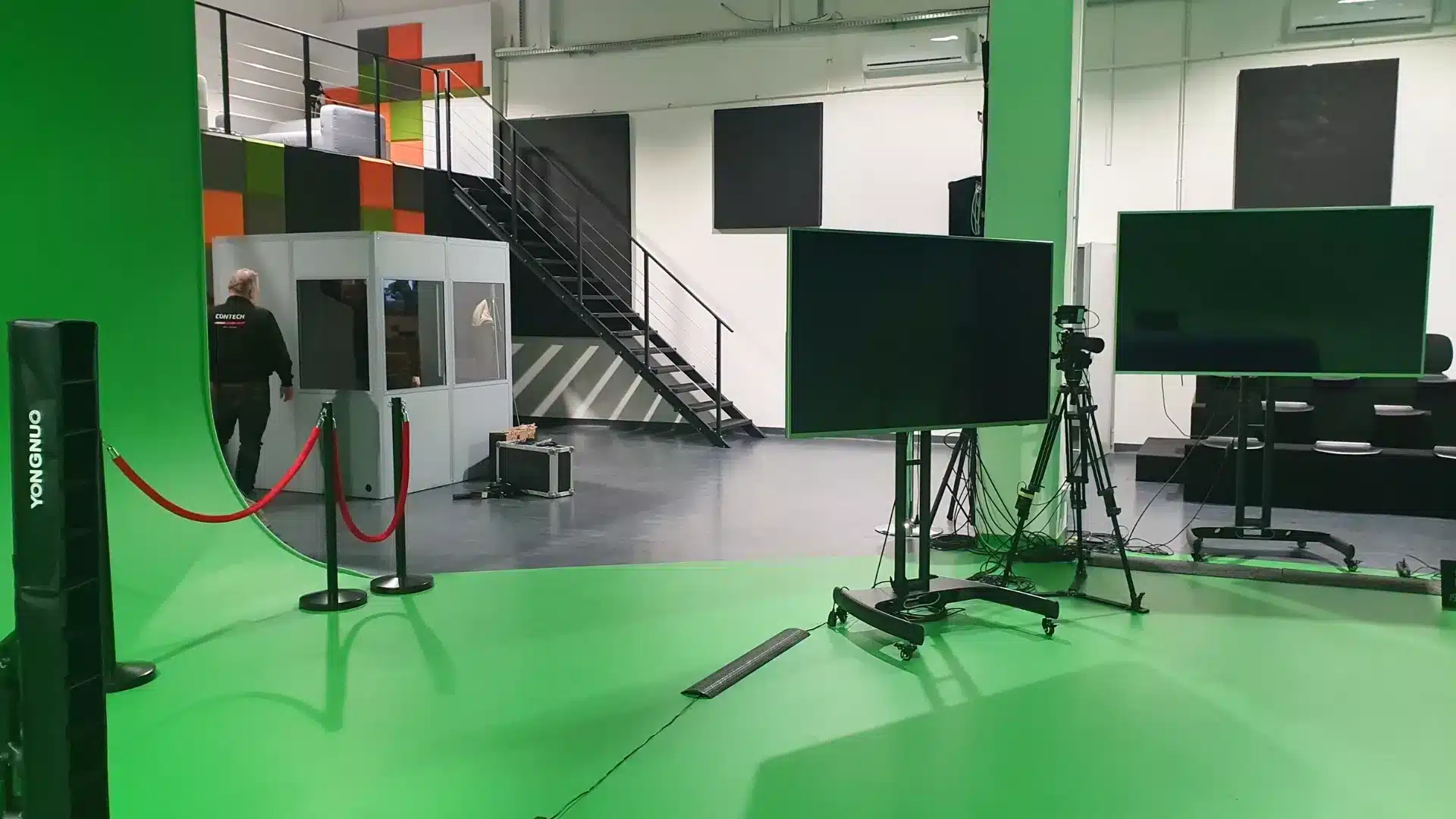
Benefit from classroom training dedicated to your business
As Interzero, we would be happy to train your entire team on the environmental topic of your choice. The exact scope of the training, how it is conducted and where it takes place can be determined by the customer individually according to needs. Contact us for details on-site training at the e-mail address.
Contact
webinary@interzero.pl

Environmental outsourcing
Environmental outsourcing - comprehensive environmental services for companies
Dynamic changes in environmental regulations result in more and more new legal obligations being imposed on entrepreneurs and the need to adapt the company's activities to subsequent standards and regulations. The answer to the challenges posed by the legislator is the Interzero environmental outsourcing service, which provides a comprehensive service for companies in the field of environmental protection.
- Ongoing support from environmental experts
- Reducing the cost of environmental measures
- A range of activities tailored to the needs of your business
- Minimising risks associated with changes in environmental legislation
- Saving staff and management time and resources
Environmental outsourcing - responding to dynamic changes in environmental regulation
The constantly changing environmental regulations and the multitude of laws and executive acts may raise doubts among entrepreneurs about the status of the implementation of environmental obligations within the company. A safer and more effective alternative to the implementation of environmental obligations within the company's structures is environmental outsourcing - a service consisting of entrusting these obligations to an external company - Interzero.
Outsourcing environmental protection activities is the best way to ensure your company's professional and reliable fulfilment of all its environmental obligations. Fulfilment of these tasks by experts with extensive knowledge and many years of experience will relieve your company's employees of the burden of inspections by the provincial environmental inspectorate, minimise the risk of potentially severe sanctions and optimise environmental protection expenditure.

Benefits of the company's ongoing environmental service
By entrusting the outsourcing of environmental protection to Interzero's experts, you gain:
- Comprehensive environmental audit of the company carried out after the start of the cooperation - the possibility of catching deficiencies and implementing the corrective plan agreed with the client.
- Interzero's assumption of environmental duties and responsibilities for their implementation.
- Reduction of operating and employment costs - permanent access to expert knowledge without the need to create positions or teams responsible for the environmental area and incur expenditure on training and updating knowledge.
- Notification of new environmental regulations and legal developments relevant to the company - the chance to adapt your business to the new legal requirements in good time with expert support.
- A chance to focus on key aspects of the business, i.e. in revenue areas rather than cost areas.
- Increasing the efficiency of environmental activities through the use of optimal solutions, tailored to the needs and specific characteristics of the company.
- Minimise risks arising from lack of qualified staff or ignorance - Environmental protection is a highly specialised area. By entrusting them to external, qualified experts, the risk of failing to comply with, or inadequately implementing, environmental obligations, which can carry a hefty fine, can be minimised.
- Opportunity to improve the company's performance in the environmental and social ESG areas through the optimisation of environmental measures.
Environmental outsourcing for companies of all sizes and industries
Our environmental outsourcing service is aimed at all companies with environmental legal obligations. Interzero's experts have many years of experience in servicing companies from a wide range of industries and sectors. We work with both small companies with no internal environmental positions and large, networked entities with long-standing departments or teams of environmental experts.
Does your company comply with current environmental legislation?
Order an environmental audit and be sure of it!
Environmental outsourcing activities
Interzero's environmental outsourcing is a permanent cooperation, the scope of which we always adapt to the expectations and needs of the entrepreneur. Within the scope of environmental outsourcing, we provide a wide range of services for our clients:
- Ongoing advice and consultancy in all areas related to environmental protection.
- Oversee the compliance of the business with applicable environmental regulations.
- Representation during inspections and audits carried out by external entities and preparation of documentation and explanations necessary during the inspection.
- Comprehensive support in the implementation of post-inspection recommendations.
- Supervision of the conduct of documentation record.
- Communication with administrative authorities on all environmental matters.
- Implementation of the obligation reporting - drafting and submitting reports, reports (KOBiZE, PRTR), declarations and statements on environmental protection in its broadest sense to administrative authorities as required by law.
- Drafting of proposals, the reports and studies necessary to obtain administrative decisions regulating the extent of the company's environmental impact.
- Supervision of tests and measurements of environmental factors carried out by accredited external bodies.
A range of environmental outsourcing tailored to your needs
We offer both a comprehensive takeover of all the company's environmental activities and responsibilities, as well as a focus on selected environmental areas. For entities that have internal departments dealing with environmental protection, we also provide outsourcing in the form of a permanent consultancy and advisory service.
The detailed scope of environmental outsourcing depends, among other things, on the number of environmental obligations incumbent on the company, the type of environmental permits and approvals obtained or the deficiencies identified during the initial audit.
Meet Interzero - your environmental experts
For more than 30 years, we have supported businesses in their environmental efforts by providing tailored services and solutions. We advise, assume environmental responsibilities and serve entities of all sizes and industries in the areas of waste management, environmental law and recycling.
Since 2006, we have been fulfilling for our clients the obligations imposed by the Act on the obligations of entrepreneurs with regard to the management of certain waste and the product and deposit fee. Our experts have extensive knowledge and many years of experience in the field of environmental protection. With these competences, they support companies in operating in the reality shaped by extended producer responsibility. We are already trusted by more than 9,500 entities - contact us and join the ranks of satisfied customers!

Contact
audyty@interzero.pl

White paper
Businesses in the circular economy: a detailed analysis
The pursuit of sustainability is not only a moral responsibility, but also key to the long-term success of companies. In an era of climate crisis and rising customer and investor expectations, companies must take proactive measures to reduce their environmental impact. The transformation towards a circular economy (GOZ) is becoming a priority, offering numerous business benefits such as cost reductions, improved reputation and increased innovation. These are the conclusions of our latest study "Businesses in the circular economy: a detailed analysis"..
Did you know that.
.... significant most companies want to implement sustainable initiatives or have already started the process? Such declarations were made by 71.1 to 84.9% managers representing medium and large companies from six European countries.
The increase in public awareness of lifestyles and consumption patterns is causing businesses, institutions and government bodies to recognise the need for an imminent change in strategy and to adopt new
direction.

ONLY 4% OF COMPANIES WILL NOT INVEST IN SUSTAINABILITY
More than 4 out of 10 companies (41.8% of managers participating in the Interzero survey) will invest up to €150,000 in sustainability over the next three years (23.9% up to 50,000 and 17.9% up to 150,000). More than half (53.9%) will spend more than €150,000, and more than 2 in 10 (24%) over €500,000.
What motivates companies to implement sustainable solutions?
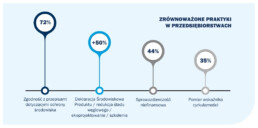
Process efficiency is the main driver for implementing sustainable initiatives. This is followed by communication considerations and the company's image in the eyes of stakeholders. Taking these motivations into account, the next part of the analysis focused on a group of companies selected for the type of sustainable initiatives undertaken. To this end, an in-depth analysis was carried out, which showed that the most common practice is to verify the compliance of the business with environmental regulations (72% companies).
How do we minimise the negative impact on the environment?
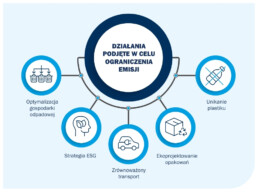
Reducing the environmental impact of a company's activities in this way is a valuable competitive advantage. Of the actions taken to achieve this goal, respondents most often declared reducing emissions, optimising waste management, avoiding plastic, eco-designing packaging and developing an effective ESG strategy.
Interzero research: status, needs and trends in the circular economy
Interzero supports companies in adapting to sustainable business models through comprehensive advice and innovative environmental solutions. Our report presents the results of a survey of sustainability trends, market expectations and related business decisions of medium and large companies in Europe. Six countries were analysed: Italy, Austria, Poland, Slovenia, Croatia and Serbia.
The aim of our study was:
- understand and analyse market trends in the circular economy and sustainable development
- examining possible barriers to the use of best practice in the various countries surveyed
- Investigating the main sustainability needs of medium and large companies in the countries surveyed and analysing their readiness to adopt sustainable business models
- to create a benchmark for the state of development of ecological transformation in business models at European level by summarising the data obtained from all the countries analysed
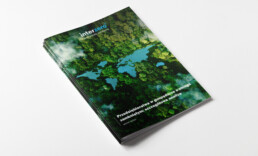
Fill in the form to read the full report:
You will receive a report in pdf format at your email address. We encourage you to take a look at the results. Do you have questions about the report? Need help setting up a sustainability strategy for your company?
Write to us at the email address below!
biuro@interzero.pl
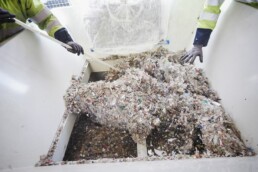
Waste catalogue - classification and codes of waste according to BDO
Waste catalogue - classification and codes of waste according to BDO
The provisions of the Waste Act of 14 December 2012 impose an obligation on many businesses to keep qualitative and quantitative records of waste. In order to fulfil this obligation, it is necessary to know the waste codes, which can be found in the waste catalogue. You will also use the waste catalogue when ordering waste collections and when issuing KPOs at BDO.
The waste catalogue is a must for every waste producer
Under current legislation, businesses are obliged to manage post-industrial or production waste generated as a result of the company's activities. The multitude of types of these wastes is quite a challenge for waste managers - it becomes crucial to assign appropriate waste codes to the wastes, which will allow for their correct recording, disposal or recovery.
Below is the current waste catalogue structured by group and subgroup, with an indication of hazardous waste.
Enter the name or code of the waste:
| Code1) | Groups, subgroups and types of waste |
| 1 | 2 |
| 01 | Waste resulting from prospecting, extraction, physical and chemical processing of ores and other minerals |
| 01 01 | Waste from mineral extraction |
| 01 01 01 | Wastes from metal ore mining (except 01 01 80) |
| 01 01 02 | Wastes from the extraction of minerals other than metal ores |
| 01 01 80 | Waste rock from copper, zinc and lead mining |
| 01 03 | Wastes from physical and chemical processing of metal ores |
| 01 03 04* | Wastes from processing of sulphide ores causing spontaneous acidification of the environment during storage |
| 01 03 05* | Other tailings containing dangerous substances (except 01 03 80) |
| 01 03 06 | Other tailings other than those mentioned in 01 03 04, 01 03 05, 01 03 80 and 01 03 81 |
| 01 03 07* | Other wastes containing dangerous substances from physical and chemical processing of metalliferous ores |
| 01 03 08 | Wastes in the form of dust and powder other than those mentioned in 01 03 07 |
| 01 03 09 | Red sludge from alumina production other than that mentioned in 01 03 07 |
| 01 03 80* | Wastes from enrichment by flotation of non-ferrous metal ores containing dangerous substances |
| 01 03 81 | Wastes from enrichment by flotation of non-ferrous metal ores, other than those listed in 01 03 80 |
| 01 03 99 | Waste not otherwise specified |
| 01 04 | Wastes from physical and chemical processing of minerals other than metal ores |
| 01 04 07* | Wastes containing dangerous substances from physical and chemical processing of minerals other than metal ores |
| 01 04 08 | Waste gravel or crushed rocks other than those mentioned in 01 04 07 |
| 01 04 09 | Waste sands and clays |
| 01 04 10 | Wastes in the form of dust and powder other than those mentioned in 01 04 07 |
| 01 04 11 | Wastes from enrichment of rock salt and potash other than those listed in 01 04 07 |
| 01 04 12 | Wastes from washing and cleaning of minerals other than those mentioned in 01 04 07 and 01 04 11 |
| 01 04 13 | Wastes from stone cutting and shaping other than those mentioned in 01 04 07 |
| 01 04 80* | Wastes from coal flotation enrichment containing dangerous substances |
| 01 04 81 | Wastes from enrichment by flotation other than those listed in 01 04 80 |
| 01 04 82* | Wastes from the flotation enrichment of sulphur ores containing dangerous substances |
| 01 04 83 | Wastes from the enrichment of sulphur ore by flotation other than those listed in 01 04 82 |
| 01 04 84* | Wastes from the flotation enrichment of phosphate ores (phosphorites, apatites) containing substances
dangerous |
| 01 04 85 | Wastes from enrichment by flotation of phosphate ores (phosphorites, apatites) other than those mentioned in 01 04 84 |
| 01 04 99 | Waste not otherwise specified |
| 01 05 | Drilling muds and other drilling wastes |
| 01 05 04 | Fresh water drilling muds and wastes |
| 01 05 05* | Oil-containing drilling muds and wastes |
| 01 05 06* | Drilling muds and wastes containing hazardous substances |
| 01 05 07 | Barite-containing drilling muds and wastes other than those mentioned in 01 05 05 and 01 05 06 |
| 01 05 08 | Drilling muds containing chlorides and wastes other than those mentioned in 01 05 05 and 01 05 06 |
| 01 05 99 | Waste not otherwise specified |
| 02 | Waste from agriculture, horticulture, hydroponics, fishing, forestry, hunting and food processing |
| 02 01 | Waste from agriculture, horticulture, hydroponics, forestry, hunting and fishing |
| 02 01 01 | Washing and cleaning deposits |
| 02 01 02 | Waste animal tissue |
| 02 01 03 | Waste vegetable matter |
| 02 01 04 | Plastic waste (excluding packaging) |
| 02 01 06 | Animal faeces |
| 02 01 07 | Waste from forest management |
| 02 01 08* | Agrochemical waste containing dangerous substances including plant protection products of toxicity class I and II (very toxic and toxic) |
| 02 01 09 | Agrochemical wastes other than those mentioned in 02 01 08 |
| 02 01 10 | Metal waste |
| 02 01 80* | Fallen and emergency slaughtered animals and animal waste with hazardous properties |
| 02 01 81 | Fallen animals and animal waste constituting specified risk and high-risk material other than those mentioned in 02 01 80 |
| 02 01 82 | Fallen and emergency slaughtered animals |
| 02 01 83 | Waste from hydroponic cultivation |
| 02 01 99 | Waste not otherwise specified |
| 02 02 | Wastes from the preparation and processing of food products of animal origin |
| 02 02 01 | Waste from washing and preparation of raw materials |
| 02 02 02 | Waste animal tissue |
| 02 02 03 | Raw materials and products unsuitable for consumption and processing |
| 02 02 04 | Sludge from on-site effluent treatment plants |
| 02 02 80* | Animal waste tissue with hazardous properties |
| 02 02 81 | Animal-tissue waste constituting specified risk and high-risk material, including waste from the manufacture of meat-and-bone feed other than those mentioned in 02 02 80 |
| 02 02 82 | Wastes from fishmeal production other than those mentioned in 02 02 80 |
| 02 02 99 | Waste not otherwise specified |
| 02 03 | Wastes from the preparation, processing and use of food products and wastes of vegetable origin, including fruit, vegetables, cereal products, edible oils, cocoa, coffee, tea and tobacco preparation and processing, yeast and yeast extract production, molasses preparation and fermentation (except 02 07) |
| 02 03 01 | Sludges from washing, cleaning, peeling, centrifuging and separation of raw materials |
| 02 03 02 | Waste of preservatives |
| 02 03 03 | Post-extraction waste |
| 02 03 04 | Raw materials and products unsuitable for consumption and processing |
| 02 03 05 | Sludge from on-site effluent treatment plants |
| 02 03 80 | Residues, sludges and other wastes from the processing of plant products (except 02 03 81) |
| 02 03 81 | Waste from the production of vegetable feed |
| 02 03 82 | Tobacco waste |
| 02 03 99 | Waste not otherwise specified |
| 02 04 | Waste from the sugar industry |
| 02 04 01 | Sludge from cleaning and washing beets |
| 02 04 02 | Non-normative calcium carbonate and sugar chalk (defecation lime) |
| 02 04 03 | Sludge from on-site effluent treatment plants |
| 02 04 80 | Pulp |
| 02 04 99 | Waste not otherwise specified |
| 02 05 | Waste from the dairy industry |
| 02 05 01 | Raw materials and products unsuitable for consumption and processing |
| 02 05 02 | Sludge from on-site effluent treatment plants |
| 02 05 80 | Waste whey |
| 02 05 99 | Waste not otherwise specified |
| 02 06 | Waste from the baking and confectionery industry |
| 02 06 01 | Raw materials and products unsuitable for consumption and processing |
| 02 06 02 | Waste of preservatives |
| 02 06 03 | Sludge from on-site effluent treatment plants |
| 02 06 80 | Unusable cooking fats |
| 02 06 99 | Waste not otherwise specified |
| 02 07 | Wastes from the production of alcoholic and non-alcoholic beverages (except coffee, tea and cocoa) |
| 02 07 01 | Wastes from washing, cleaning and mechanical shredding of raw materials |
| 02 07 02 | Wastes from distillation of spirits |
| 02 07 03 | Waste from chemical processes |
| 02 07 04 | Raw materials and products unsuitable for consumption and processing |
| 02 07 05 | Sludge from on-site effluent treatment plants |
| 02 07 80 | Marc, must and fermentation sludge, decoctions |
| 02 07 99 | Waste not otherwise specified |
| 03 | Wastes from wood processing and the production of panels and furniture, pulp, paper and cardboard |
| 03 01 | Wastes from wood processing and the production of panels and furniture |
| 03 01 01 | Bark and cork waste |
| 03 01 04* | Sawdust, shavings, cuttings, wood, particle board and veneer containing dangerous substances |
| 03 01 05 | Sawdust, shavings, cuttings, wood, particle board and veneer other than those mentioned in 03 01 04 |
| 03 01 80* | Wastes from chemical wood processing containing dangerous substances |
| 03 01 81 | Wastes from chemical wood processing other than those mentioned in 03 01 80 |
| 03 01 82 | Sludge from on-site effluent treatment plants |
| 03 01 99 | Waste not otherwise specified |
| 03 02 | Waste from wood preservation |
| 03 02 01* | Halogen-free wood preservatives and impregnators |
| 03 02 02* | Halogenated wood preservatives and wood preservatives |
| 03 02 03* | Metal-organic wood preservatives and impregnators |
| 03 02 04* | Inorganic wood preservatives and impregnators |
| 03 02 05* | Other wood preservatives and wood impregnators containing dangerous substances |
| 03 02 99 | Waste not otherwise specified |
| 03 03 | Wastes from the production and processing of pulp, paper and board |
| 03 03 01 | Bark and wood waste |
| 03 03 02 | Sludges and slurries from sulphite pulp production (including green liquor sludge) |
| 03 03 05 | Slurries from de-inking of waste paper |
| 03 03 07 | Mechanically separated rejects from the treatment of recovered paper and cardboard |
| 03 03 08 | Waste from sorting of paper and cardboard destined for recycling |
| 03 03 09 | Defecation sludge waste |
| 03 03 10 | Fibre waste, sludges from mechanical separation of fibres, fillers and coatings |
| 03 03 11 | Sludges from on-site effluent treatment other than those mentioned in 03 03 10 |
| 03 03 80 | Sludges from hypochlorite or chlorine bleaching processes |
| 03 03 81 | Sludges from other bleaching processes |
| 03 03 99 | Waste not otherwise specified |
| 04 | Wastes from the leather, fur and textile industries |
| 04 01 | Wastes from the leather and fur industry |
| 04 01 01 | Fleshing waste (lime slabs and splints) |
| 04 01 02 | Liming waste |
| 04 01 03* | Degreasing wastes containing solvents (without the liquid phase) |
| 04 01 04 | Tanning wort containing chromium |
| 04 01 05 | Chromium-free tanning wort |
| 04 01 06 | Chromium-containing sludges, especially from on-site effluent treatment plants |
| 04 01 07 | Chromium-free sludges, especially from on-site wastewater treatment plants |
| 04 01 08 | Chromium-containing waste tanned leather (shavings, cuttings, leather sanding dust) |
| 04 01 09 | Waste from polishing and finishing |
| 04 01 99 | Waste not otherwise specified |
| 04 02 | Waste from the textile industry |
| 04 02 09 | Composite waste (e.g. impregnated fabrics, elastomers, plastomers) |
| 04 02 10 | Organic substances from natural products (e.g. fats, waxes) |
| 04 02 14* | Finishing wastes containing organic solvents |
| 04 02 15 | Wastes from finishing other than those mentioned in 04 02 14 |
| 04 02 16* | Dyes and pigments containing hazardous substances |
| 04 02 17 | Dyes and pigments other than those mentioned in 04 02 16 |
| 04 02 19* | Wastes from on-site effluent treatment plants containing dangerous substances |
| 04 02 20 | Wastes from on-site effluent treatment other than those mentioned in 04 02 19 |
| 04 02 21 | Waste from unprocessed textile fibres |
| 04 02 22 | Waste from processed textile fibres |
| 04 02 80 | Wastes from wet textile processing |
| 04 02 99 | Waste not otherwise specified |
| 05 | Wastes from oil, natural gas purification and pyrolytic treatment of coal |
| 05 01 | Wastes from the processing (e.g. refining) of crude oil |
| 05 01 02* | Desalination sludge |
| 05 01 03* | Tank bottom sediments |
| 05 01 04* | Acidic sludges from alkylation processes |
| 05 01 05* | Oil spills |
| 05 01 06* | Oily sludges from maintenance of plant or equipment |
| 05 01 07* | Acid tars |
| 05 01 08* | Other tars |
| 05 01 09* | Sludge from on-site effluent treatment plants containing hazardous substances |
| 05 01 10 | 05 01 09 sludges from on-site effluent treatment other than those mentioned in 05 01 09 |
| 05 01 11* | Wastes from alkaline fuel purification |
| 05 01 12* | Crude oil containing acids |
| 05 01 13 | Sludge from boiler water treatment |
| 05 01 14 | Waste from cooling columns |
| 05 01 15* | Used natural filter materials (e.g. clays, silt) |
| 05 01 16 | Sulphur-containing wastes from petroleum desulphurisation |
| 05 01 17 | Bitumen |
| 05 01 99 | Waste not otherwise specified |
| 05 06 | Wastes from the pyrolytic treatment of coal |
| 05 06 01* | Acid tars |
| 05 06 03* | Other tars |
| 05 06 04 | Waste from cooling columns |
| 05 06 80* | Liquid wastes containing phenols |
| 05 06 99 | Waste not otherwise specified |
| 05 07 | Wastes from natural gas purification and transportation |
| 05 07 01* | Mercury-containing sediments |
| 05 07 02 | Sulphur-containing wastes |
| 05 07 99 | Waste not otherwise specified |
| 06 | Wastes from the manufacture, formulation, marketing and use of products from the inorganic chemical industry |
| 06 01 | Wastes from the manufacture, formulation, handling and use of inorganic acids |
| 06 01 01* | Sulphuric and sulphurous acid |
| 06 01 02* | Hydrochloric acid |
| 06 01 03* | Hydrofluoric acid |
| 06 01 04* | Phosphoric and phosphoric acid |
| 06 01 05* | Nitric acid and nitrous acid |
| 06 01 06* | Other acids |
| 06 01 99 | Waste not otherwise specified |
| 06 02 | Wastes from the production, formulation, marketing and use of hydroxides |
| 06 02 01* | Calcium hydroxide |
| 06 02 03* | Ammonium hydroxide |
| 06 02 04* | Sodium and potassium hydroxide |
| 06 02 05* | Other hydroxides |
| 06 02 99 | Waste not otherwise specified |
| 06 03 | Wastes from the production, formulation, handling and use of salts and their solutions and metallic oxides |
| 06 03 11* | Salts and solutions containing cyanides |
| 06 03 13* | Salts and solutions containing heavy metals |
| 06 03 14 | Salts and solutions other than those mentioned in 06 03 11 and 06 03 13 |
| 06 03 15* | Metal oxides containing heavy metals |
| 06 03 16 | Metal oxides other than those mentioned in 06 03 15 |
| 06 03 99 | Waste not otherwise specified |
| 06 04 | Metal-bearing wastes other than those mentioned in 06 03 |
| 06 04 03* | Wastes containing arsenic |
| 06 04 04* | Waste containing mercury |
| 06 04 05* | Waste containing other heavy metals |
| 06 04 99 | Waste not otherwise specified |
| 06 05 | Sludge from on-site effluent treatment plants |
| 06 05 02* | Sludge from on-site effluent treatment plants containing hazardous substances |
| 06 05 03 | Sludges from on-site effluent treatment other than those mentioned in 06 05 02 |
| 06 06 | Wastes from the production, preparation, marketing and use of sulphur compounds and from chemical sulphur processing and desulphurisation processes |
| 06 06 02* | Wastes containing hazardous sulphides |
| 06 06 03 | Wastes containing sulphides other than those mentioned in 06 06 02 |
| 06 06 99 | Waste not otherwise specified |
| 06 07 | Wastes from the production, preparation, handling and use of halogens and chlorine chemical processes |
| 06 07 01* | Asbestos waste from electrolysis |
| 06 07 02* | Activated carbon from chlorine production |
| 06 07 03* | Barium sulphate precipitates containing mercury |
| 06 07 04* | Solutions and acids (e.g. sulphuric acid) |
| 06 07 99 | Waste not otherwise specified |
| 06 08 | Wastes from the production, preparation, marketing and use of silicon and silicon derivatives |
| 06 08 02* | Wastes containing hazardous silicones |
| 06 08 99 | Waste not otherwise specified |
| 06 09 | Wastes from the production, formulation, handling and use of phosphorous chemicals and phosphorous chemical processing operations |
| 06 09 02 | Phosphorus slag |
| 06 09 03* | Poreaction wastes of calcium compounds containing or contaminated with hazardous substances |
| 06 09 04 | Calcium-based reaction wastes other than those mentioned in 06 09 03 and 06 09 80 |
| 06 09 80 | Phosphogypsum |
| 06 09 81 | Phosphogypsum mixed with slags, bottom ash and boiler dust (excluding boiler dust mentioned in 10 01 04) |
| 06 09 99 | Waste not otherwise specified |
| 06 10 | Wastes from the production, formulation, handling and use of nitrogen chemicals, from chemical nitrogen processing operations and from the production of nitrogen and other fertilisers |
| 06 10 02* | Waste containing hazardous substances |
| 06 10 99 | Waste not otherwise specified |
| 06 11 | Wastes from the manufacture of pigments and inorganic opacifiers |
| 06 11 01 | Poreaction waste of calcium compounds from titanium dioxide production |
| 06 11 80 | Wastes from the production of zirconium compounds |
| 06 11 81 | Wastes from the production of chromium compounds |
| 06 11 82 | Wastes from the production of cobalt compounds |
| 06 11 83 | Ferrous sulphate waste |
| 06 11 99 | Waste not otherwise specified |
| 06 13 | Wastes from other inorganic chemical processes |
| 06 13 01* | Inorganic plant protection products (e.g. pesticides), wood preservatives and other biocides |
| 06 13 02* | Spent activated carbon (except 06 07 02) |
| 06 13 03 | Clean soot |
| 06 13 04* | Waste from asbestos processing |
| 06 13 05* | Carbon black containing or contaminated with dangerous substances |
| 06 13 99 | Waste not otherwise specified |
| 07 | Wastes from the production, formulation, marketing and use of products from the organic chemical industry |
| 07 01 | Wastes from the production, preparation, circulation and use of basic products of the organic chemical industry |
| 07 01 01* | Muddy waters and mother liquors |
| 07 01 03* | Halogenated solvents, washing solutions and mother liquors |
| 07 01 04* | Other organic solvents, washing solutions and mother liquors |
| 07 01 07* | Halogenated still bottoms and reaction residues |
| 07 01 08* | Other distillation and reaction residues |
| 07 01 09* | Halogenated filter cakes and spent absorbents |
| 07 01 10* | Other used sorbents and filter cakes |
| 07 01 11* | Sludge from on-site effluent treatment plants containing hazardous substances |
| 07 01 12 | Sludges from on-site effluent treatment other than those mentioned in 07 01 11 |
| 07 01 80 | Carbide lime not containing dangerous substances (other than those mentioned in 07 01 08) |
| 07 01 99 | Waste not otherwise specified |
| 07 02 | Wastes from the manufacture, formulation, marketing and use of plastics and synthetic rubbers and fibres |
| 07 02 01* | Muddy waters and mother liquors |
| 07 02 03* | Halogenated solvents, washing solutions and mother liquors |
| 07 02 04* | Other organic solvents, washing solutions and mother liquors |
| 07 02 07* | Halogenated still bottoms and reaction residues |
| 07 02 08* | Other distillation and reaction residues |
| 07 02 09* | Halogenated filter cakes and spent absorbents |
| 07 02 10* | Other used sorbents and filter cakes |
| 07 02 11* | Sludge from on-site effluent treatment plants containing hazardous substances |
| 07 02 12 | Sludges from on-site effluent treatment other than those mentioned in 07 02 11 |
| 07 02 13 | Plastic waste |
| 07 02 14* | Wastes from additives containing hazardous substances (e.g. plasticisers, stabilisers) |
| 07 02 15 | Wastes from additives other than those mentioned in 07 02 14 |
| 07 02 16* | Wastes containing hazardous silicones |
| 07 02 17 | Wastes containing silicones other than those mentioned in 07 02 16 |
| 07 02 80 | Wastes from the rubber industry and rubber production |
| 07 02 99 | Waste not otherwise specified |
| 07 03 | Wastes from the production, formulation, handling and use of organic dyes and pigments (except 06 11) |
| 07 03 01* | Muddy waters and mother liquors |
| 07 03 03* | Halogenated solvents, washing solutions and mother liquors |
| 07 03 04* | Other organic solvents, washing solutions and mother liquors |
| 07 03 07* | Halogenated still bottoms and reaction residues |
| 07 03 08* | Other distillation and reaction residues |
| 07 03 09* | Halogenated filter cakes and spent absorbents |
| 07 03 10* | Other used sorbents and filter cakes |
| 07 03 11* | Sludge from on-site effluent treatment plants containing hazardous substances |
| 07 03 12 | Sludges from on-site effluent treatment other than those mentioned in 07 03 11 |
| 07 03 99 | Waste not otherwise specified |
| 07 04 | Wastes from the production, formulation, handling and use of organic plant protection products (except 02 01 08 and 02 01 09), wood preservatives (except 03 02) and other biocides |
| 07 04 01* | Muddy waters and mother liquors |
| 07 04 03* | Halogenated solvents, washing solutions and mother liquors |
| 07 04 04* | Other organic solvents, washing solutions and mother liquors |
| 07 04 07* | Halogenated still bottoms and reaction residues |
| 07 04 08* | Other distillation and reaction residues |
| 07 04 09* | Halogenated filter cakes and spent absorbents |
| 07 04 10* | Other used sorbents and filter cakes |
| 07 04 11* | Sludge from on-site effluent treatment plants containing hazardous substances |
| 07 04 12 | Sludges from on-site effluent treatment other than those mentioned in 07 04 11 |
| 07 04 13* | Solid waste containing hazardous substances |
| 07 04 80* | Out-of-date plant protection products of toxicity classes I and II (very toxic and toxic) |
| 07 04 81 | Expired plant protection products other than those mentioned in 07 04 80 |
| 07 04 99 | Waste not otherwise specified |
| 07 05 | Wastes from the production, preparation, marketing and use of pharmaceuticals |
| 07 05 01* | Muddy waters and mother liquors |
| 07 05 03* | Halogenated solvents, washing solutions and mother liquors |
| 07 05 04* | Other organic solvents, washing solutions and mother liquors |
| 07 05 07* | Halogenated still bottoms and reaction residues |
| 07 05 08* | Other distillation and reaction residues |
| 07 05 09* | Halogenated filter cakes and spent absorbents |
| 07 05 10* | Other used sorbents and filter cakes |
| 07 05 11* | Sludge from on-site effluent treatment plants containing hazardous substances |
| 07 05 12 | Sludges from on-site effluent treatment other than those mentioned in 07 05 11 |
| 07 05 13* | Solid waste containing hazardous substances |
| 07 05 14 | Solid wastes other than those mentioned in 07 05 13 |
| 07 05 80* | Liquid waste containing dangerous substances |
| 07 05 81 | Liquid wastes other than those mentioned in 07 05 80 |
| 07 05 99 | Waste not otherwise specified |
| 07 06 | Wastes from the manufacture, formulation, marketing and use of fats, grease, soaps, detergents, disinfectants and cosmetics |
| 07 06 01* | Muddy waters and mother liquors |
| 07 06 03* | Halogenated solvents, washing solutions and mother liquors |
| 07 06 04* | Other organic solvents, washing solutions and mother liquors |
| 07 06 07* | Halogenated still bottoms and reaction residues |
| 07 06 08* | Other distillation and reaction residues |
| 07 06 09* | Halogenated filter cakes and spent absorbents |
| 07 06 10* | Other used sorbents and filter cakes |
| 07 06 11* | Sludge from on-site effluent treatment plants containing hazardous substances |
| 07 06 12 | Sludges from on-site effluent treatment other than those mentioned in 07 06 11 |
| 07 06 80 | Bleaching earth from oil refining |
| 07 06 81 | Cosmetics and sample returns |
| 07 06 99 | Waste not otherwise specified |
| 07 07 | Wastes from the production, formulation, handling and use of other chemical products not listed above |
| 07 07 01* | Muddy waters and mother liquors |
| 07 07 03* | Halogenated solvents, washing solutions and mother liquors |
| 07 07 04* | Other organic solvents, washing solutions and mother liquors |
| 07 07 07* | Halogenated still bottoms and reaction residues |
| 07 07 08* | Other distillation and reaction residues |
| 07 07 09* | Halogenated filter cakes and spent absorbents |
| 07 07 10* | Other used sorbents and filter cakes |
| 07 07 11* | Sludge from on-site effluent treatment plants containing hazardous substances |
| 07 07 12 | Sludges from on-site effluent treatment other than those mentioned in 07 07 11 |
| 07 07 99 | Waste not otherwise specified |
| 08 | Wastes from the manufacture, formulation, marketing and use of coatings (paints, varnishes, ceramic enamels), putty, adhesives, sealants and printing inks |
| 08 01 | Wastes from the manufacture, formulation, marketing and use and disposal of paints and varnishes |
| 08 01 11* | Waste paint and varnish containing organic solvents or other dangerous substances |
| 08 01 12 | Paints and varnish wastes other than those mentioned in 08 01 11 |
| 08 01 13* | Sludges from paint or varnish removal containing organic solvents or other dangerous substances |
| 08 01 14 | Sludges from paint or varnish removal other than those mentioned in 08 01 13 |
| 08 01 15* | Aqueous sludges containing paints and varnishes containing organic solvents or other dangerous substances |
| 08 01 16 | Aqueous sludges containing paint or varnish other than those mentioned in 08 01 15 |
| 08 01 17* | Wastes from paint or varnish removal containing organic solvents or other dangerous substances |
| 08 01 18 | Wastes from paint or varnish removal other than those mentioned in 08 01 17 |
| 08 01 19* | Aqueous suspensions of paints or varnishes containing organic solvents or other dangerous substances |
| 08 01 20 | Aqueous suspensions of paint or varnish other than those mentioned in 08 01 19 |
| 08 01 21* | Paint or varnish remover |
| 08 01 99 | Waste not otherwise specified |
| 08 02 | Wastes from the manufacture, formulation, marketing and use of other coatings (including ceramic materials) |
| 08 02 01 | Coating powders wastes |
| 08 02 02 | Aqueous sludges containing ceramic materials |
| 08 02 03 | Aqueous suspensions containing ceramic materials |
| 08 02 99 | Waste not otherwise specified |
| 08 03 | Wastes from production, formulation, marketing and use of printing inks |
| 08 03 07 | Aqueous sludges containing printing inks |
| 08 03 08 | Liquid waste containing ink |
| 08 03 12* | Printing ink wastes containing dangerous substances |
| 08 03 13 | Printing ink wastes other than those mentioned in 08 03 12 |
| 08 03 14* | Printing ink sludges containing dangerous substances |
| 08 03 15 | Printing ink sludges other than those mentioned in 08 03 14 |
| 08 03 16* | Spent pickling solutions |
| 08 03 17* | Waste printing toner containing hazardous substances |
| 08 03 18 | Waste printing toner other than those mentioned in 08 03 17 |
| 08 03 19* | Dispersed oil containing hazardous substances |
| 08 03 80 | Dispersed oil other than that mentioned in 08 03 19 |
| 08 03 99 | Waste not otherwise specified |
| 08 04 | Wastes from the manufacture, formulation, marketing and use of adhesives and sealants (including waterproofing products) |
| 08 04 09* | Waste adhesives and sealants containing organic solvents or other dangerous substances |
| 08 04 10 | Waste adhesives and sealants other than those mentioned in 08 04 09 |
| 08 04 11* | Adhesive and sealant sludges containing organic solvents or other dangerous substances |
| 08 04 12 | Adhesive and sealant sludges other than those mentioned in 08 04 11 |
| 08 04 13* | Hydrated sludges of adhesives or sealants containing organic solvents or other dangerous substances |
| 08 04 14 | Hydrated sludges of adhesives or sealants other than those mentioned in 08 04 13 |
| 08 04 15* | Liquid waste adhesives or sealants containing organic solvents or other dangerous substances |
| 08 04 16 | 08 04 15 Liquid waste adhesives and sealants other than those mentioned in 08 04 15 |
| 08 04 17* | Resin oil |
| 08 04 99 | Waste not otherwise specified |
| 08 05 | Wastes not included in the other subgroups of Group 08 |
| 08 05 01* | Isocyanate waste |
| 09 | Waste from the photographic industry and photographic services |
| 09 01 | Waste from the photographic industry and photographic services |
| 09 01 01* | Aqueous developer and activator solutions |
| 09 01 02* | Aqueous developer solutions for offset plates |
| 09 01 03* | Solvent-based developer solutions |
| 09 01 04* | Fixative solutions |
| 09 01 05* | Bleach solutions and bleach-curing baths |
| 09 01 06* | Sludge from on-site sewage treatment plants containing silver |
| 09 01 07 | Photographic films and paper containing silver or silver compounds |
| 09 01 08 | Silver-free photographic films and paper |
| 09 01 10 | Single-use cameras without batteries |
| 09 01 11* | Single-use cameras containing batteries included in 16 06 01, 16 06 02 or 16 06 03 |
| 09 01 12 | Single-use cameras containing batteries other than those mentioned in 09 01 11 |
| 09 01 13* | Liquid waste from on-site reclamation of silver other than those mentioned in 09 01 06 |
| 09 01 80* | Expired photographic reagents |
| 09 01 99 | Waste not otherwise specified |
| 10 | Waste from thermal processes |
| 10 01 | Wastes from power stations and other combustion plants (except 19) |
| 10 01 01 | Slag, bottom ash and boiler dust (excluding boiler dust mentioned in 10 01 04) |
| 10 01 02 | Coal fly ash |
| 10 01 03 | Fly ash from peat and wood not chemically treated |
| 10 01 04* | Fly ash and boiler dust from liquid fuels |
| 10 01 05 | Solid wastes from calcium-based flue-gas desulphurisation processes |
| 10 01 07 | Products from calcium-based flue gas desulphurisation discharged as sludge |
| 10 01 09* | Sulphuric acid |
| 10 01 13* | Fly ash from emulsified hydrocarbons used as fuel |
| 10 01 14* | Bottom ash, slag and boiler dust from co-incineration containing dangerous substances |
| 10 01 15 | Bottom ash, slag and boiler dust from co-incineration other than those mentioned in 10 01 14 |
| 10 01 16* | Fly ash from co-incineration containing dangerous substances |
| 10 01 17 | Fly ash from co-incineration other than those mentioned in 10 01 16 |
| 10 01 18* | Wastes from flue-gas cleaning containing dangerous substances |
| 10 01 19 | Waste from flue-gas cleaning other than those mentioned in 10 01 05, 10 01 07 and 10 01 18 |
| 10 01 20* | Sludge from on-site effluent treatment plants containing hazardous substances |
| 10 01 21 | 10 01 20 sludges from on-site effluent treatment other than those mentioned in 10 01 20 |
| 10 01 22* | Hydrated sludges from boiler cleansing containing dangerous substances |
| 10 01 23 | Hydrated sludges from boiler cleansing other than those mentioned in 10 01 22 |
| 10 01 24 | Fluidised bed sands (excluding 10 01 82) |
| 10 01 25 | Waste from fuel storage and preparation for coal-fired power plants |
| 10 01 26 | Waste from cooling water treatment |
| 10 01 80 | Ash-slag mixtures from wet furnace waste disposal |
| 10 01 81 | Fly ash microspheres |
| 10 01 82 | Fly ash and solid waste mixtures from calcium-based flue gas desulphurisation (dry and semi-dry flue gas desulphurisation methods and fluidised bed combustion) |
| 10 01 99 | Waste not otherwise specified |
| 10 02 | Wastes from the iron and steel industry |
| 10 02 01 | Slags from smelting processes (blast furnace, steelmaking) |
| 10 02 02 | Unprocessed slags from other processes |
| 10 02 07* | Solid wastes from flue-gas treatment containing dangerous substances |
| 10 02 08 | Solid wastes from gas treatment other than those mentioned in 10 02 07 |
| 10 02 10 | Mill scale |
| 10 02 11* | Wastes from cooling-water treatment containing oils |
| 10 02 12 | Wastes from cooling-water treatment other than those mentioned in 10 02 11 |
| 10 02 13* | Sludges and filter cakes from waste gas treatment containing dangerous substances |
| 10 02 14 | Sludges and filter cakes from flue-gas treatment other than those mentioned in 10 02 13 |
| 10 02 15 | Other sludges and filter cakes |
| 10 02 80 | Scrap iron from the ironworks |
| 10 02 81 | Waste ferrous sulphate |
| 10 02 99 | Waste not otherwise specified |
| 10 03 | Wastes from aluminium smelting |
| 10 03 02 | Waste anodes |
| 10 03 04* | Slags from primary production |
| 10 03 05 | Aluminium oxide waste |
| 10 03 08* | Salt slags from secondary production |
| 10 03 09* | Black sheepskins from secondary production |
| 10 03 15* | Smelting slag with flammable properties or releasing, upon contact with water, flammable gases in dangerous quantities |
| 10 03 16 | Smelting skimmings other than those mentioned in 10 03 15 |
| 10 03 17* | Tar-containing wastes from anode manufacture |
| 10 03 18 | Carbon-containing wastes from anode manufacture other than those mentioned in 10 03 17 |
| 10 03 19* | Flue-gas dust containing dangerous substances |
| 10 03 20 | Flue-gas dust other than those mentioned in 10 03 19 |
| 10 03 21* | Other particulates and dust (including ball mill dust) containing dangerous substances |
| 10 03 22 | Other particulates and dust (including ball-mill dust) other than those mentioned in 10 03 21 |
| 10 03 23* | Solid wastes from flue-gas treatment containing dangerous substances |
| 10 03 24 | Solid wastes from gas treatment other than those mentioned in 10 03 23 |
| 10 03 25* | Sludges and filter cakes from waste gas treatment containing dangerous substances |
| 10 03 26 | Sludges and filter cakes from flue-gas treatment other than those mentioned in 10 03 25 |
| 10 03 27* | Wastes from cooling-water treatment containing oils |
| 10 03 28 | Wastes from cooling-water treatment other than those mentioned in 10 03 27 |
| 10 03 29* | Wastes from treatment of salt slags and black drosses containing dangerous substances |
| 10 03 30 | Wastes from treatment of salt slags and black drosses other than those mentioned in 10 03 29 |
| 10 03 99 | Waste not otherwise specified |
| 10 04 | Wastes from lead smelting |
| 10 04 01* | Slags from primary and secondary production |
| 10 04 02* | Scrap from primary and secondary production |
| 10 04 03* | Lime containing arsenic compounds (calcium arsenate) |
| 10 04 04* | Flue-gas dust |
| 10 04 05* | Other particulates and dust |
| 10 04 06* | Solid waste from waste gas treatment |
| 10 04 07* | Sludges and filter cakes from waste gas treatment |
| 10 04 09* | Wastes from cooling-water treatment containing oils |
| 10 04 10 | Wastes from cooling-water treatment other than those mentioned in 10 04 09 |
| 10 04 99 | Waste not otherwise specified |
| 10 05 | Wastes from zinc smelting |
| 10 05 01 | Slags from primary and secondary production (excluding 10 05 80) |
| 10 05 03* | Flue-gas dust |
| 10 05 04 | Other particulates and dust |
| 10 05 05* | Solid waste from waste gas treatment |
| 10 05 06* | Sludges and filter cakes from waste gas treatment |
| 10 05 08* | Wastes from cooling-water treatment containing oils |
| 10 05 09 | Wastes from cooling-water treatment other than those mentioned in 10 05 08 |
| 10 05 10* | Smelting slag with flammable properties or releasing, upon contact with water, flammable gases in dangerous quantities |
| 10 05 11 | 10 05 10 skimmings other than those mentioned in 10 05 10 |
| 10 05 80 | Granulated slags from shaft furnaces and slags from rotary kilns |
| 10 05 99 | Waste not otherwise specified |
| 10 06 | Waste from copper smelting |
| 10 06 01 | Slags from primary and secondary production |
| 10 06 02 | Scrap from primary and secondary production |
| 10 06 03* | Flue-gas dust |
| 10 06 04 | Other particulates and dust |
| 10 06 06* | Solid waste from waste gas treatment |
| 10 06 07* | Sludges and filter cakes from waste gas treatment |
| 10 06 09* | Wastes from cooling-water treatment containing oils |
| 10 06 10 | Wastes from cooling-water treatment other than those mentioned in 10 06 09 |
| 10 06 80 | Shaft and granulated slags |
| 10 06 99 | Waste not otherwise specified |
| 10 07 | Wastes from silver, gold and platinum smelting |
| 10 07 01 | Slags from primary and secondary production |
| 10 07 02 | Scrap from primary and secondary production |
| 10 07 03 | Solid waste from waste gas treatment |
| 10 07 04 | Other particulates and dust |
| 10 07 05 | Sludges and filter cakes from waste gas treatment |
| 10 07 07* | Wastes from cooling-water treatment containing oils |
| 10 07 08 | Wastes from cooling-water treatment other than those mentioned in 10 07 07 |
| 10 07 99 | Waste not otherwise specified |
| 10 08 | Wastes from other non-ferrous metallurgy |
| 10 08 04 | Particles and dust |
| 10 08 08* | Salt slags from primary and secondary production |
| 10 08 09 | Other slags |
| 10 08 10* | Smelting slag with flammable properties or releasing, upon contact with water, flammable gases in dangerous quantities |
| 10 08 11 | Skimmings other than those mentioned in 10 08 10 |
| 10 08 12* | Tar-containing wastes from anode manufacture |
| 10 08 13 | Carbon-containing wastes from anode manufacture other than those mentioned in 10 08 12 |
| 10 08 14 | Waste anodes |
| 10 08 15* | Flue-gas dust containing dangerous substances |
| 10 08 16 | Flue-gas dust other than those mentioned in 10 08 15 |
| 10 08 17* | Sludges and filter cakes from waste gas treatment containing dangerous substances |
| 10 08 18 | Sludges and filter cakes from flue-gas treatment other than those mentioned in 10 08 17 |
| 10 08 19* | Wastes from cooling-water treatment containing oils |
| 10 08 20 | Wastes from cooling-water treatment other than those mentioned in 10 08 19 |
| 10 08 99 | Waste not otherwise specified |
| 10 09 | Wastes from iron foundry |
| 10 09 03 | Foundry slags |
| 10 09 05* | Casting cores and moulds prior to the casting process containing hazardous substances |
| 10 09 06 | Casting cores and moulds which have not undergone pouring other than those mentioned in 10 09 05 |
| 10 09 07* | Casting cores and moulds after the casting process containing hazardous substances |
| 10 09 08 | Casting cores and moulds which have undergone pouring other than those mentioned in 10 09 07 |
| 10 09 09* | Flue-gas dust containing dangerous substances |
| 10 09 10 | Flue-gas dust other than those mentioned in 10 09 09 |
| 10 09 11* | Other particulates containing dangerous substances |
| 10 09 12 | Other particulates other than those mentioned in 10 09 11 |
| 10 09 13* | Waste binders containing hazardous substances |
| 10 09 14 | Waste binders other than those mentioned in 10 09 13 |
| 10 09 15* | Waste of agents for the detection of casting fractures |
| 10 09 16 | Waste crack-indicating agent in castings other than those mentioned in 10 09 15 |
| 10 09 80 | Cast iron products |
| 10 09 99 | Waste not otherwise specified |
| 10 10 | Wastes from non-ferrous metal foundries |
| 10 10 03 | Slag and dross |
| 10 10 05* | Casting cores and moulds prior to the casting process containing hazardous substances |
| 10 10 06 | Casting cores and moulds before pouring other than those mentioned in 10 10 05 |
| 10 10 07* | Casting cores and moulds after the casting process containing hazardous substances |
| 10 10 08 | Casting cores and moulds which have undergone pouring, other than those mentioned in 10 10 07 |
| 10 10 09* | Flue-gas dust containing dangerous substances |
| 10 10 10 | Flue-gas dust other than those mentioned in 10 10 09 |
| 10 10 11* | Other particulates containing dangerous substances |
| 10 10 12 | Other particulates other than those mentioned in 10 10 11 |
| 10 10 13* | Waste binders containing hazardous substances |
| 10 10 14 | Waste binders other than those mentioned in 10 10 13 |
| 10 10 15* | Waste of agents for the detection of casting fractures |
| 10 10 16 | Waste crack-indicating agent other than those mentioned in 10 10 15 |
| 10 10 99 | Waste not otherwise specified |
| 10 11 | Waste from the glassworks |
| 10 11 03 | Waste glass fibre and glass fibre fabrics |
| 10 11 05 | Particles and dust |
| 10 11 09* | Wastes from preparation of thermal processing feedstock containing dangerous substances |
| 10 11 10 | Wastes from batch preparation other than those mentioned in 10 11 09 |
| 10 11 11* | Waste glass in the form of small particles and glass powder containing heavy metals (e.g. from cathode ray tubes) |
| 10 11 12 | Waste glass other than those mentioned in 10 11 11 |
| 10 11 13* | Sludges from glass polishing and grinding containing dangerous substances |
| 10 11 14 | Sludges from glass polishing and grinding other than those mentioned in 10 11 13 |
| 10 11 15* | Solid wastes from flue-gas treatment containing dangerous substances |
| 10 11 16 | Solid wastes from flue-gas treatment other than those mentioned in 10 11 15 |
| 10 11 17* | Sludges and filter cakes from waste gas treatment containing dangerous substances |
| 10 11 18 | Sludges and filter cakes from flue-gas treatment other than those mentioned in 10 11 17 |
| 10 11 19* | Solid waste from on-site effluent treatment plants containing hazardous substances |
| 10 11 20 | Solid wastes from on-site effluent treatment other than those mentioned in 10 11 19 |
| 10 11 80 | Fluorosilicate sludges |
| 10 11 81* | Waste containing asbestos |
| 10 11 99 | Waste not otherwise specified |
| 10 12 | Wastes from the manufacture of building, fine and refractory ceramics (ceramics, bricks, tiles and construction products) |
| 10 12 01 | Wastes from the preparation of feedstock for thermal processing |
| 10 12 03 | Particles and dust |
| 10 12 05 | Sludges and filter cakes from waste gas treatment |
| 10 12 06 | Used moulds |
| 10 12 08 | Broken ceramics, bricks, tiles and building ceramics (after thermal processing) |
| 10 12 09* | Solid wastes from flue-gas treatment containing dangerous substances |
| 10 12 10 | Solid wastes from gas treatment other than those mentioned in 10 12 09 |
| 10 12 11* | Waste from vitrification containing heavy metals |
| 10 12 12 | Waste from vitrification other than those mentioned in 10 12 11 |
| 10 12 13 | Sludge from on-site effluent treatment plants |
| 10 12 99 | Waste not otherwise specified |
| 10 13 | Waste from the manufacture of mineral binders (including cement, lime and plaster) and the products made from them |
| 10 13 01 | Wastes from the preparation of feedstock for thermal processing |
| 10 13 04 | Waste from quicklime and hydrated lime production |
| 10 13 06 | Particulates and dust (except 10 13 12 and 10 13 13) |
| 10 13 07 | Sludges and filter cakes from waste gas treatment |
| 10 13 09* | Asbestos-containing waste from the manufacture of asbestos-cement components |
| 10 13 10 | Wastes from asbestos-cement manufacture other than those mentioned in 10 13 09 |
| 10 13 11 | Cement-based composite wastes other than those mentioned in 10 13 09 and 10 13 10 |
| 10 13 12* | Solid wastes from flue-gas treatment containing dangerous substances |
| 10 13 13 | Solid wastes from gas treatment other than those mentioned in 10 13 12 |
| 10 13 14 | Concrete waste and concrete sludge |
| 10 13 80 | Waste from cement production |
| 10 13 81 | Waste from gypsum production |
| 10 13 82 | Defective products |
| 10 13 99 | Waste not otherwise specified |
| 10 14 | Waste from crematoria |
| 10 14 01* | Waste from flue-gas cleaning containing mercury |
| 10 80 | Wastes from the production of ferroalloys |
| 10 80 01 | Slags from ferrosilicon production |
| 10 80 02 | Dusts from ferrosilicon production |
| 10 80 03 | Slags from ferrochrome production |
| 10 80 04 | Dust from ferrochrome production |
| 10 80 05 | Slags from ferromanganese production |
| 10 80 06 | Dusts from ferromanganese production |
| 10 80 99 | Waste not otherwise specified |
| 11 | Wastes from chemical surface treatment and coating of metals and other materials and from non-ferrous hydrometallurgical processes |
| 11 01 | Wastes from treatment and coating of metals and other materials (e.g. galvanic processes, zinc coating, pickling, etching, phosphatising, alkaline degreasing, anodising) |
| 11 01 05* | Digestive acids |
| 11 01 06* | Wastes containing acids other than those mentioned in 11 01 05 |
| 11 01 07* | Pickling alkalis |
| 11 01 08* | Phosphatising sludges and slurries |
| 11 01 09* | Sludges and filter cakes containing hazardous substances |
| 11 01 10 | Sludges and filter cakes other than those mentioned in 11 01 09 |
| 11 01 11* | Wash waters containing hazardous substances |
| 11 01 12 | 11 01 11 aqueous washing liquids other than those mentioned in 11 01 11 |
| 11 01 13* | Degreasing wastes containing dangerous substances |
| 11 01 14 | Degreasing wastes other than those mentioned in 11 01 13 |
| 11 01 15* | Leachate and sludges from membrane systems or ion exchange systems containing dangerous substances |
| 11 01 16* | Saturated or spent ion exchange resins |
| 11 01 98* | Other wastes containing dangerous substances |
| 11 01 99 | Waste not otherwise specified |
| 11 02 | Wastes and sludges from non-ferrous hydrometallurgy |
| 11 02 02* | Sludges from zinc hydrometallurgy (including jarosite and goethite) |
| 11 02 03 | Wastes from the production of anodes for electrolysis processes |
| 11 02 05* | Wastes from copper hydrometallurgical processes containing dangerous substances |
| 11 02 06 | Wastes from copper hydrometallurgical processes other than those mentioned in 11 02 05 |
| 11 02 07* | Other wastes containing dangerous substances |
| 11 02 99 | Waste not otherwise specified |
| 11 03 | Sludges and solid wastes from steel tempering processes |
| 11 03 01* | Cyanide-containing wastes |
| 11 03 02* | Other waste |
| 11 05 | Wastes from high temperature electroplating processes |
| 11 05 01 | Hard zinc |
| 11 05 02 | Zinc ash |
| 11 05 03* | Solid waste from waste gas treatment |
| 11 05 04* | Used flux |
| 11 05 99 | Waste not otherwise specified |
| 12 | Wastes from shaping and physical and mechanical surface treatment of metals and plastics |
| 12 01 | Wastes from shaping and physical and mechanical surface treatment of metals and plastics |
| 12 01 01 | Wastes from turning and sawing of iron and its alloys |
| 12 01 02 | Particles and dust of iron and its alloys |
| 12 01 03 | Waste from turning and sawing of non-ferrous metals |
| 12 01 04 | Non-ferrous metal particles and dusts |
| 12 01 05 | Waste from turning and smoothing of plastics |
| 12 01 06* | Waste mineral oils from metalworking containing halogens (excluding emulsions and solutions) |
| 12 01 07* | Halogen-free metalworking waste mineral oils (excluding emulsions and solutions) |
| 12 01 08* | Metalworking waste emulsions and oil solutions containing halogens |
| 12 01 09* | Halogen-free metalworking waste emulsions and solutions |
| 12 01 10* | Synthetic metalworking oils |
| 12 01 12* | Used waxes and fats |
| 12 01 13 | Welding waste |
| 12 01 14* | Metalworking sludges containing hazardous substances |
| 12 01 15 | Machining sludges other than those mentioned in 12 01 14 |
| 12 01 16* | Grinding waste containing dangerous substances |
| 12 01 17 | 12 01 16 Other grinding wastes other than those mentioned in 12 01 16 |
| 12 01 18* | Oil-containing metalworking sludges (e.g. grinding, honing and coating sludges) |
| 12 01 19* | Readily biodegradable metalworking oils |
| 12 01 20* | Used grinding materials containing hazardous substances |
| 12 01 21 | Used grinding bodies other than those mentioned in 12 01 20 |
| 12 01 99 | Waste not otherwise specified |
| 12 03 | Wastes from water and steam degreasing processes (except 11) |
| 12 03 01* | Aqueous washing liquids |
| 12 03 02* | Steam degreasing wastes |
| 13 | Waste oils and liquid fuel wastes (excluding edible oils and groups 05, 12 and 19) |
| 13 01 | Waste hydraulic oils |
| 13 01 01* | Hydraulic oils containing PCB |
| 13 01 04* | Oil emulsions containing halogenated compounds |
| 13 01 05* | Halogen-free oil emulsions |
| 13 01 09* | Mineral hydraulic oils containing halogenated compounds |
| 13 01 10* | Halogen-free mineral hydraulic oils |
| 13 01 11* | Synthetic hydraulic oils |
| 13 01 12* | Readily biodegradable hydraulic oils |
| 13 01 13* | Other hydraulic oils |
| 13 02 | Waste engine, gear and lubricating oils |
| 13 02 04* | Mineral-based chlorinated engine, gear and lubricating oils |
| 13 02 05* | Halogen-free mineral-based engine, gear and lubricating oils |
| 13 02 06* | Synthetic engine, gear and lubricating oils |
| 13 02 07* | Readily biodegradable engine, gear and lubricating oils |
| 13 02 08* | Other engine, gear and lubricating oils |
| 13 03 | Waste oils and liquids used as electro-insulators and heat carriers |
| 13 03 01* | Oils and liquids used as electrical insulators and heat transfer media containing PCBs |
| 13 03 06* | Mineral-based insulating and heat transmission oils and fluids containing halogenated organic compounds other than those mentioned in 13 03 01 |
| 13 03 07* | Mineral oils and liquids used as electro-insulators and heat transfer media, not containing halogenated compounds |
| 13 03 08* | Synthetic insulating and heat transmission oils and liquids other than those mentioned in 13 03 01 |
| 13 03 09* | Oils and liquids used as electro-insulators and readily biodegradable heat transfer media |
| 13 03 10* | Other oils and liquids used as electro-insulators and heat carriers |
| 13 04 | Bilge oils |
| 13 04 01* | Bilge oils from inland waterway vessels |
| 13 04 02* | Bilge oils from harbour quays |
| 13 04 03* | Bilge oils from marine vessels |
| 13 05 | Waste from oil dehydration in oil separators |
| 13 05 01* | Solid waste from grit chambers and oil/water separators |
| 13 05 02* | Sludges from oil dehydration in oil separators |
| 13 05 03* | Sludge from collectors |
| 13 05 06* | Oil from oil dehydration in separators |
| 13 05 07* | Oily water from oil dehydration in separators |
| 13 05 08* | Mixture of waste from grit chambers and oil separator dewatering |
| 13 07 | Liquid fuel wastes |
| 13 07 01* | Heating oil and diesel |
| 13 07 02* | Petrol |
| 13 07 03* | Other fuels (including mixtures) |
| 13 08 | Oil waste not included in other subgroups |
| 13 08 01* | Desalination sludges or emulsions |
| 13 08 02* | Other emulsions |
| 13 08 80 | Oily solid waste from ships |
| 13 08 99* | Waste not otherwise specified |
| 14 | Wastes from organic solvents, refrigerants and propellants
(excluding groups 07 and 08) |
| 14 06 | Wastes from organic solvents, refrigerants and propellants in foams or aerosols |
| 14 06 01* | CFC, HCFC, HFC |
| 14 06 02* | Other halogenated solvents and solvent mixtures |
| 14 06 03* | Other solvents and solvent mixtures |
| 14 06 04* | Sludges and solid wastes containing halogenated solvents |
| 14 06 05* | Sludges and solid wastes containing other solvents |
| 15 | Packaging waste; absorbents, wiping cloths, filter materials and protective clothing not otherwise specified |
| 15 01 | Packaging waste (including separately collected municipal packaging waste) |
| 15 01 01 | Paper and cardboard packaging |
| 15 01 02 | Plastic packaging |
| 15 01 03 | Wood packaging |
| 15 01 04 | Metal packaging |
| 15 01 05 | Multi-material packaging |
| 15 01 06 | Mixed packaging waste |
| 15 01 07 | Glass packaging |
| 15 01 09 | Textile packaging |
| 15 01 10* | Packaging containing residues of or contaminated by dangerous substances (e.g. plant protection products of toxicity classes I and II - very toxic and toxic) |
| 15 01 11* | Metal packaging containing hazardous porous structural reinforcement elements (e.g. asbestos), including empty pressure containers |
| 15 02 | Sorbents, filter materials, wiping cloths and protective clothing |
| 15 02 02* | Sorbents, filter materials (including oil filters not included in other groups), wiping cloths (e.g. rags, cloths) and protective clothing contaminated by hazardous substances (e.g. PCBs) |
| 15 02 03 | Sorbents, filter materials, wiping cloths (e.g. rags, cloths) and protective clothing other than those mentioned in 15 02 02 |
| 16 | Wastes not included in other groups |
| 16 01 | End-of-life or unserviceable vehicles (including off-highway machinery), vehicle dismantling, servicing and maintenance wastes (excluding groups 13 and 14 and subgroups 16 06 and 16 08) |
| 16 01 03 | Used tyres |
| 16 01 04* | Used or unserviceable vehicles |
| 16 01 06 | Used or unserviceable vehicles not containing liquids or other hazardous components |
| 16 01 07* | Oil filters |
| 16 01 08* | Elements containing mercury |
| 16 01 09* | Components containing PCB |
| 16 01 10* | Explosive elements (e.g. airbags) |
| 16 01 11* | Brake linings containing asbestos |
| 16 01 12 | Brake linings other than those mentioned in 16 01 11 |
| 16 01 13* | Brake fluids |
| 16 01 14* | Anti-freeze fluids containing hazardous substances |
| 16 01 15 | Anti-freeze fluids other than those mentioned in 16 01 14 |
| 16 01 16 | Liquefied gas tanks |
| 16 01 17 | Ferrous metals |
| 16 01 18 | Non-ferrous metals |
| 16 01 19 | Plastics |
| 16 01 20 | Glass |
| 16 01 21* | Hazardous components other than those mentioned in 16 01 07 to 16 01 11, 16 01 13 and 16 01 14 |
| 16 01 22 | Other items not mentioned |
| 16 01 99 | Waste not otherwise specified |
| 16 02 | Waste electrical and electronic equipment |
| 16 02 09* | Transformers and capacitors containing PCB |
| 16 02 10* | Discarded equipment containing or contaminated by PCBs other than those mentioned in 16 02 09 |
| 16 02 11* | Discarded equipment containing CFCs, HCFCs, HFCs |
| 16 02 12* | Discarded equipment containing free asbestos |
| 16 02 13* | Discarded equipment containing hazardous components (1) other than those mentioned in 16 02 09 to 16 02 12 |
| 16 02 14 | Discarded equipment other than those mentioned in 16 02 09 to 16 02 13 |
| 16 02 15* | Hazardous components or parts removed from end-of-life equipment |
| 16 02 16 | Discarded components from discarded equipment other than those mentioned in 16 02 15 |
| 16 03 | Batches of non-conforming products and out-of-date or unusable products |
| 16 03 03* | Inorganic wastes containing dangerous substances |
| 16 03 04 | Inorganic wastes other than those mentioned in 16 03 03, 16 03 80 |
| 16 03 05* | Organic wastes containing dangerous substances |
| 16 03 06 | Organic wastes other than those mentioned in 16 03 05, 16 03 80 |
| 16 03 80 | Food products that are out of date or unfit for consumption |
| 16 04 | Waste explosives |
| 16 04 01* | Waste ammunition |
| 16 04 02* | Pyrotechnic waste (e.g. fireworks) |
| 16 04 03* | Other explosives |
| 16 05 | Gases in pressurised containers and used chemicals |
| 16 05 04* | Gases in containers (including halons) containing dangerous substances |
| 16 05 05 | Gases in containers other than those mentioned in 16 05 04 |
| 16 05 06* | Laboratory and analytical chemicals (e.g. chemical reagents) containing hazardous substances, including mixtures of laboratory and analytical chemicals |
| 16 05 07* | Used inorganic chemicals containing hazardous substances (e.g. expired chemical reagents) |
| 16 05 08* | Used organic chemicals containing hazardous substances (e.g. out-of-date chemical reagents) |
| 16 05 09 | Discarded chemicals other than those mentioned in 16 05 06, 16 05 07 or 16 05 08 |
| 16 06 | Batteries and accumulators |
| 16 06 01* | Lead batteries and accumulators |
| 16 06 02* | Nickel-cadmium batteries and accumulators |
| 16 06 03* | Batteries containing mercury |
| 16 06 04 | Alkaline batteries (except 16 06 03) |
| 16 06 05 | Other batteries and accumulators |
| 16 06 06* | Selectively collected electrolyte from batteries and accumulators |
| 16 07 | Wastes from storage tank, transport tank and barrel cleaning (except 05 and 13) |
| 16 07 08* | Wastes containing crude oil or its products |
| 16 07 09* | Waste containing other hazardous substances |
| 16 07 99 | Waste not otherwise specified |
| 16 08 | Spent catalysts |
| 16 08 01 | Spent catalysts containing gold, silver, rhenium, rhodium, palladium, iridium or platinum (except 16 08 07) |
| 16 08 02* | Spent catalysts containing dangerous transition metals (2) or their dangerous compounds |
| 16 08 03 | Spent catalysts containing transition metals or transition metal compounds other than those mentioned in 16 08 02 |
| 16 08 04 | Spent fluid catalytic cracking catalysts (except 16 08 07) |
| 16 08 05* | Spent catalysts containing phosphoric acid |
| 16 08 06* | Spent liquids used as catalysts |
| 16 08 07* | Spent catalytic converters contaminated with hazardous substances |
| 16 09 | Oxidising substances |
| 16 09 01* | Permanganates (e.g. potassium permanganate) |
| 16 09 02* | Chromates (e.g. potassium chromate, sodium or potassium dichromate) |
| 16 09 03* | Peroxides (e.g. hydrogen peroxide) |
| 16 09 04* | Other oxidising substances not mentioned |
| 16 10 | Aqueous liquid wastes to be recovered or disposed of off-site |
| 16 10 01* | Hydrated liquid wastes containing dangerous substances |
| 16 10 02 | Hydrated liquid wastes other than those mentioned in 16 10 01 |
| 16 10 03* | Concentrated hydrated liquid wastes (e.g. concentrates) containing dangerous substances |
| 16 10 04 | Concentrated hydrated liquid wastes (e.g. concentrates) other than those mentioned in 16 10 03 |
| 16 11 | Furnace lining waste and refractories |
| 16 11 01* | Carbon-based furnace linings and refractories from metallurgical processes containing dangerous substances |
| 16 11 02 | Carbon-based linings and refractories from metallurgical processes others than those mentioned in 16 11 01 |
| 16 11 03* | Other furnace linings and refractories from metallurgical processes containing dangerous substances |
| 16 11 04 | Furnace linings and refractories from metallurgical processes others than those mentioned in 16 11 03 |
| 16 11 05* | Furnace linings and refractories from non-metallurgical processes containing dangerous substances |
| 16 11 06 | Furnace linings and refractories from non-metallurgical processes others than those mentioned in 16 11 05 |
| 16 80 | Miscellaneous waste |
| 16 80 01 | Magnetic and optical storage media |
| 16 81 | Waste from accidents and incidents |
| 16 81 01* | Wastes exhibiting hazardous properties |
| 16 81 02 | Wastes other than those mentioned in 16 81 01 |
| 16 82 | Waste arising from natural disasters |
| 16 82 01* | Wastes exhibiting hazardous properties |
| 16 82 02 | Wastes other than those mentioned in 16 82 01 |
| 17 | Wastes from construction, repair and dismantling of buildings and road infrastructure (including soil and soil from contaminated sites) |
| 17 01 | Waste construction materials and components and road infrastructure (e.g. concrete, bricks, tiles, ceramics) |
| 17 01 01 | Concrete waste and concrete rubble from demolition and renovation |
| 17 01 02 | Brick rubble |
| 17 01 03 | Waste other ceramic materials and fittings |
| 17 01 06* | Mixed or segregated waste from concrete, bricks, tiles and ceramics containing dangerous substances |
| 17 01 07 | Mixed concrete, bricks, tiles and ceramics wastes other than those mentioned in 17 01 06 |
| 17 01 80 | Removed plaster, wallpaper, veneers etc. |
| 17 01 81 | Waste from road renovation and reconstruction |
| 17 01 82 | Waste not otherwise specified |
| 17 02 | Wood, glass and plastic waste |
| 17 02 01 | Wood |
| 17 02 02 | Glass |
| 17 02 03 | Plastics |
| 17 02 04* | Wood, glass and plastic waste containing or contaminated with hazardous substances (railway sleepers) |
| 17 03 | Waste asphaltenes, tars and tar products |
| 17 03 01* | Bitumen containing tar |
| 17 03 02 | Bitumen other than that mentioned in 17 03 01 |
| 17 03 03* | Tar and tar products |
| 17 03 80 | Waste paper |
| 17 04 | Metallic and metal alloy wastes and scrap |
| 17 04 01 | Copper, bronze, brass |
| 17 04 02 | Aluminium |
| 17 04 03 | Lead |
| 17 04 04 | Zinc |
| 17 04 05 | Iron and steel |
| 17 04 06 | Tin |
| 17 04 07 | Metal mixtures |
| 17 04 09* | Metal wastes contaminated with hazardous substances |
| 17 04 10* | Cables containing oil, tar and other hazardous substances |
| 17 04 11 | Cables other than those mentioned in 17 04 10 |
| 17 05 | Soil and land (including soil and land from contaminated sites and dredging spoil) |
| 17 05 03* | Soil and soil, including stones, containing hazardous substances (e.g. PCBs) |
| 17 05 04 | Soil and soil, including stones, other than those mentioned in 17 05 03 |
| 17 05 05* | Dredging spoil containing or contaminated with hazardous substances |
| 17 05 06 | Dredging spoil other than those mentioned in 17 05 05 |
| 17 05 07* | Track ballast (aggregates) containing hazardous substances |
| 17 05 08 | Track ballast (aggregates) other than those mentioned in 17 05 07 |
| 17 06 | Insulation and construction materials containing asbestos |
| 17 06 01* | Insulation materials containing asbestos |
| 17 06 03* | Other insulation materials containing hazardous substances |
| 17 06 04 | Insulating materials other than those mentioned in 17 06 01 and 17 06 03 |
| 17 06 05* | Structural materials containing asbestos |
| 17 08 | Gypsum-containing construction materials |
| 17 08 01* | Gypsum-containing construction materials contaminated with hazardous substances |
| 17 08 02 | Construction materials containing gypsum other than those mentioned in 17 08 01 |
| 17 09 | Other wastes from construction, renovation and dismantling |
| 17 09 01* | Wastes from construction, renovation and dismantling containing mercury |
| 17 09 02* | PCB-containing construction, renovation and dismantling waste (e.g. PCB-containing substances and objects: sealants, resin-containing floorings, sealed window assemblies, capacitors) |
| 17 09 03* | Other construction, renovation and dismantling wastes (including mixed wastes) containing dangerous substances |
| 17 09 04 | Mixed construction, renovation and dismantling waste other than those mentioned in 17 09 01, 17 09 02
i 17 09 03 |
| 18 | Medical and veterinary waste |
| 18 01 | Waste from medical diagnosis, treatment and prevention |
| 18 01 01 | Surgical and treatment instruments and their scraps (except 18 01 03) |
| 18 01 02* | Body parts and organs as well as blood containers and blood preservatives (except 18 01 03) |
| 18 01 03* | Other wastes that contain live pathogenic micro-organisms or their toxins or other forms capable of transferring genetic material which are known or reliably believed to cause disease in humans or animals (e.g. infected nappies, incontinence pads, liners) excluding 18 01 80 and 18 01 82 |
| 18 01 04 | Waste other than those mentioned in 18 01 03 |
| 18 01 06* | Chemicals, including chemical reagents, containing hazardous substances |
| 18 01 07 | Chemicals, including chemical reagents, other than those mentioned in 18 01 06 |
| 18 01 08* | Cytotoxic and cytostatic drugs |
| 18 01 09 | Medicaments other than those mentioned in 18 01 08 |
| 18 01 10* | Dental amalgam waste |
| 18 01 80* | Used bioactive therapeutic baths with infectious properties |
| 18 01 81 | Used therapeutic baths biologically active other than those mentioned in 18 01 80 |
| 18 01 82* | Residues from the feeding of patients in infectious wards |
| 18 02 | Waste from veterinary diagnosis, treatment and prevention |
| 18 02 01 | Surgical and treatment instruments and their residues (excluding 18 02 02) |
| 18 02 02* | Other wastes that contain viable pathogenic micro-organisms or their toxins and other forms capable of transmitting genetic material which are known or reliably believed to cause disease in humans or animals |
| 18 02 03 | Wastes other than those mentioned in 18 02 02 |
| 18 02 05* | Chemicals, including chemical reagents, containing hazardous substances |
| 18 02 06 | Chemicals, including chemical reagents, other than those mentioned in 18 02 05 |
| 18 02 07* | Cytotoxic and cytostatic drugs |
| 18 02 08 | Medicaments other than those mentioned in 18 02 07 |
| 19 | Waste from waste management facilities and installations, from waste water treatment plants and from the treatment of drinking water and water for industrial purposes |
| 19 01 | Waste from thermal treatment of waste |
| 19 01 02 | Iron scrap removed from bottom ashes |
| 19 01 05* | Filtration sludge (e.g. filter cake) from waste gas treatment |
| 19 01 06* | Sludges and other hydrated wastes from flue-gas treatment |
| 19 01 07* | Solid waste from waste gas treatment |
| 19 01 10* | Spent activated carbon from flue gas treatment |
| 19 01 11* | Slags and bottom ash containing dangerous substances |
| 19 01 12 | Slags and bottom ash other than those mentioned in 19 01 11 |
| 19 01 13* | Fly ash containing hazardous substances |
| 19 01 14 | Fly ash other than those mentioned in 19 01 13 |
| 19 01 15* | Boiler dust containing hazardous substances |
| 19 01 16 | Boiler dust other than those mentioned in 19 01 15 |
| 19 01 17* | Wastes from pyrolysis of waste containing dangerous substances |
| 19 01 18 | Wastes from pyrolysis of waste other than those mentioned in 19 01 17 |
| 19 01 19 | Fluidised bed sands |
| 19 01 99 | Waste not otherwise specified |
| 19 02 | Waste from physico-chemical treatment of waste (including chromium removal, cyanide removal, neutralisation) |
| 19 02 03 | Premixed waste consisting only of non-hazardous waste |
| 19 02 04* | Premixed waste consisting of at least one hazardous waste type |
| 19 02 05* | Sludges from physico-chemical treatment of waste containing dangerous substances |
| 19 02 06 | Sludges from physico/chemical treatment of waste other than those mentioned in 19 02 05 |
| 19 02 07* | Oils and concentrates from separation |
| 19 02 08* | Liquid combustible wastes containing dangerous substances |
| 19 02 09* | Solid combustible wastes containing dangerous substances |
| 19 02 10 | Combustible wastes other than those mentioned in 19 02 08 or 19 02 09 |
| 19 02 11* | Other wastes containing dangerous substances |
| 19 02 99 | Waste not otherwise specified |
| 19 03 | Stabilised or solidified waste( 3 ) |
| 19 03 04* | Partially hazardous waste (4. stabilised |
| 19 03 05 | Stabilised wastes other than those mentioned in 19 03 04 |
| 19 03 06* | Solidified hazardous waste |
| 19 03 07 | Solidified wastes other than those mentioned in 19 03 06 |
| 19 04 | Vitrified waste and wastes from vitrification processes |
| 19 04 01 | Glazed waste |
| 19 04 02* | Fly ash and other waste from flue gas cleaning |
| 19 04 03* | Non vitrified solid phase |
| 19 04 04 | Liquid waste from vitrification processes |
| 19 05 | Wastes from aerobic decomposition of solid waste (composting) |
| 19 05 01 | Non-composted fractions of municipal and similar waste |
| 19 05 02 | Non-composted animal and plant waste fractions |
| 19 05 03 | Non-compliant compost (unusable) |
| 19 05 99 | Waste not otherwise specified |
| 19 06 | Waste from anaerobic waste decomposition |
| 19 06 03 | Liquids from the anaerobic decomposition of municipal waste |
| 19 06 04 | Digestate from anaerobic digestion of municipal waste |
| 19 06 05 | Liquids from the anaerobic decomposition of animal and vegetable waste |
| 19 06 06 | Digestate from anaerobic digestion of animal and vegetable waste |
| 19 06 99 | Waste not otherwise specified |
| 19 08 | Wastes from waste water treatment plants not included in other groups |
| 19 08 01 | Screenings |
| 19 08 02 | Contents of sand traps |
| 19 08 05 | Stabilised municipal sewage sludge |
| 19 08 06* | Saturated or spent ion exchange resins |
| 19 08 07* | Solutions and sludges from the regeneration of ion exchangers |
| 19 08 08* | Waste from membrane systems containing heavy metals |
| 19 08 09 | Fats and oil blends from oil/water separation containing only edible oils and fats |
| 19 08 10* | Grease and oil mixture from oil/water separation other than those mentioned in 19 08 09 |
| 19 08 11* | Sludges containing hazardous substances from biological treatment of industrial waste water |
| 19 08 12 | Sludges from biological treatment of industrial waste water other than those mentioned in 19 08 11 |
| 19 08 13* | Sludges containing hazardous substances from other than biological treatment of industrial waste water |
| 19 08 14 | Sludges from other than biological treatment of industrial waste water other than those mentioned in 19 08 13 |
| 19 08 99 | Waste not otherwise specified |
| 19 09 | Wastes from the treatment of drinking water and water for industrial purposes |
| 19 09 01 | Solid waste from pre-filtration and screenings |
| 19 09 02 | Sludge from water clarification |
| 19 09 03 | Sludge from water decarbonation |
| 19 09 04 | Spent activated carbon |
| 19 09 05 | Saturated or spent ion exchange resins |
| 19 09 06 | Solutions and sludges from the regeneration of ion exchangers |
| 19 09 99 | Waste not otherwise specified |
| 19 10 | Waste from shredding of metal-containing waste |
| 19 10 01 | Iron and steel waste |
| 19 10 02 | Non-ferrous metal waste |
| 19 10 03* | Light fraction and dust containing hazardous substances |
| 19 10 04 | Light fraction and dust other than those mentioned in 19 10 03 |
| 19 10 05* | Other fractions containing hazardous substances |
| 19 10 06 | Other fractions other than those mentioned in 19 10 05 |
| 19 11 | Waste from oil regeneration |
| 19 11 01* | Spent clay filters |
| 19 11 02* | Acid tars |
| 19 11 03* | Hydrated liquid wastes |
| 19 11 04* | Alkaline wastes from fuel purification |
| 19 11 05* | Sludge from on-site effluent treatment plants containing hazardous substances |
| 19 11 06 | Sludges from on-site effluent treatment other than those mentioned in 19 11 05 |
| 19 11 07* | Waste from flue gas cleaning |
| 19 11 99 | Waste not otherwise specified |
| 19 12 | Wastes from the mechanical treatment of waste (e.g. manual handling, sorting, crushing, pelletising) not included in other groups |
| 19 12 01 | Paper and cardboard |
| 19 12 02 | Ferrous metals |
| 19 12 03 | Non-ferrous metals |
| 19 12 04 | Plastics and rubber |
| 19 12 05 | Glass |
| 19 12 06* | Wood containing hazardous substances |
| 19 12 07 | Wood other than that mentioned in 19 12 06 |
| 19 12 08 | Textiles |
| 19 12 09 | Minerals (e.g. sand, stones) |
| 19 12 10 | Combustible waste (alternative fuel) |
| 19 12 11* | Other wastes (including mixed substances and objects) from mechanical treatment of waste containing dangerous substances |
| 19 12 12 | Other wastes (including mixed substances and objects) from mechanical treatment of waste other than those mentioned in 19 12 11 |
| 19 13 | Waste from soil, groundwater and groundwater remediation |
| 19 13 01* | Solid wastes from soil remediation containing dangerous substances |
| 19 13 02 | Solid wastes from soil remediation other than those mentioned in 19 13 01 |
| 19 13 03* | Sludges from soil and ground remediation containing hazardous substances |
| 19 13 04 | Sludges from soil remediation other than those mentioned in 19 13 03 |
| 19 13 05* | Sludges from groundwater remediation containing hazardous substances |
| 19 13 06 | Sludges from groundwater remediation other than those mentioned in 19 13 05 |
| 19 13 07* | Liquid wastes and concentrated hydrated liquid wastes (e.g. concentrates) from groundwater remediation containing dangerous substances |
| 19 13 08 | Aqueous liquid wastes and aqueous concentrates from groundwater remediation other than those mentioned in 19 13 07 |
| 19 80 | Wastes from the disposal of medical and veterinary waste not included in other subgroups |
| 19 80 01 | Waste from autoclaving of medical and veterinary waste |
| 20 | Municipal waste including separately collected fractions |
| 20 01 | Segregated and separately collected municipal waste (except 15 01) |
| 20 01 01 | Paper and cardboard |
| 20 01 02 | Glass |
| 20 01 08 | Biodegradable kitchen waste |
| 20 01 10 | Clothing |
| 20 01 11 | Textiles |
| 20 01 13* | Solvents |
| 20 01 14* | Acids |
| 20 01 15* | Alkali |
| 20 01 17* | Photographic reagents |
| 20 01 19* | Plant protection products of toxicity cluster I and II (very toxic and toxic, e.g. herbicides, insecticides) |
| 20 01 21* | Fluorescent tubes and other mercury-containing waste |
| 20 01 23* | Equipment containing CFCs |
| 20 01 25 | Edible oils and fats |
| 20 01 26* | Oils and fats other than those mentioned in 20 01 25 |
| 20 01 27* | Paints, inks, adhesives, binders and resins containing dangerous substances |
| 20 01 28 | Paints, inks, adhesives and resins other than those mentioned in 20 01 27 |
| 20 01 29* | Detergents containing hazardous substances |
| 20 01 30 | Detergents other than those mentioned in 20 01 29 |
| 20 01 31* | Cytotoxic and cytostatic drugs |
| 20 01 32 | Medicaments other than those mentioned in 20 01 31 |
| 20 01 33* | Batteries and accumulators including batteries and accumulators included in 16 06 01, 16 06 02 or
16 06 03 and unsorted batteries and accumulators containing these batteries |
| 20 01 34 | Batteries and accumulators other than those mentioned in 20 01 33 |
| 20 01 35* | Discarded electrical and electronic equipment other than those mentioned in 20 01 21 and 20 01 23 containing hazardous components (1) |
| 20 01 36 | Waste electrical and electronic equipment other than those mentioned in 20 01 21, 20 01 23 and 20 01 35 |
| 20 01 37* | Wood containing hazardous substances |
| 20 01 38 | Wood other than that mentioned in 20 01 37 |
| 20 01 39 | Plastics |
| 20 01 40 | Metals |
| 20 01 41 | Ventilation sweepings waste |
| 20 01 80 | Plant protection products other than those mentioned in 20 01 19 |
| 20 01 99 | Other fractions not listed separately collected |
| 20 02 | Waste from gardens and parks (including cemeteries) |
| 20 02 01 | Biodegradable waste |
| 20 02 02 | Soil and ground, including stones |
| 20 02 03 | Other non-biodegradable waste |
| 20 03 | Other municipal waste |
| 20 03 01 | Non-segregated (mixed) municipal waste |
| 20 03 02 | Waste from marketplaces |
| 20 03 03 | Waste from street and yard cleaning |
| 20 03 04 | Sludge from septic tanks used for the collection of waste water |
| 20 03 06 | Sewage manhole waste |
| 20 03 07 | Bulky waste |
| 20 03 99 | Municipal wastes not otherwise specified in the subgroups |
1) The first two digits indicate the waste group indicating the source of the waste. The waste group designation together with the next two digits identifies the waste subgroup and the six-digit code identifies the type of waste.
(1) Hazardous components from electrical and electronic equipment can include batteries and accumulators listed in 16 06 and labelled as hazardous, mercury switches, glass from cathode ray tubes and other active glass, etc.
(2) Transition metals include scandium, vanadium, manganese, cobalt, copper, yttrium, niobium, hafnium, tungsten, titanium, chromium, iron, nickel, zinc, zirconium, molybdenum, tantalum. These metals or their compounds are hazardous if they are classified as hazardous substances. The classification of hazardous substances is set out in separate legislation.
(3) Stabilisation processes change the hazardous properties of the constituents in the waste, thereby transforming hazardous waste into non-hazardous waste. Solidification processes only change the physical state of the waste through the use of additives (e.g. converting liquid waste to solid) without changing the chemical properties of the waste.
(4) Partially stabilised waste is waste containing hazardous constituents after the stabilisation process which have not completely changed into non-hazardous constituents and which could be released into the environment in the short, medium or long term.
Waste Catalogue - Frequently Asked Questions
Waste catalogue facilitates the allocation of waste generated within a company to specific groups, subgroups and types. The correct classification of waste is important for keeping records of waste, as well as monitoring the amount and type of waste generated in a company.
Waste codes are also often used during ordering waste collection and planning the entire waste logistics of the company. They indicate how a particular type of waste is further managed and are therefore valuable information for waste collection companies. Some waste can be recycled and reused; others (e.g. hazardous waste) must be treated and disposed of in a strictly defined manner.
The catalogue and classification of waste is set out in the Regulation of the Minister of Climate of 2 January 2020 on the catalogue of waste. You can find the full regulation and annexes HERE.
We divide all the waste in the catalogue according to:
- the source of their creation,
- properties that make the waste hazardous waste. These properties are defined in Annex 3 to the Waste Act of 14 December 2012,
- waste constituents for which exceeding the concentration limits of hazardous substances may result in the waste being classified as hazardous waste.
The waste catalogue has been established by an act of legislation - the Waste Catalogue Ordinance - and is therefore valid for as long as the legislation introducing it remains valid.
At Interzero, we keep track of the entire legislative process and amendments to environmental legislation. Thanks to this the waste classification you will find on our website is always up to date and can serve as a source of waste codes for ongoing waste accounting.
The hazardous waste catalogue is an integral part of the above waste catalogue. All hazardous wastes are marked in the catalogue with an asterisk next to the waste code.
The waste catalogue consists of groups (indicated by 2-digit codes), subgroups (indicated by 4-digit codes and waste types (indicated by 6-digit waste codes).
In order to correctly classify the waste in question:
- Find the source of the waste to assign the waste to a particular group.
- Find the waste subgroup.
- Select a specific type of waste.
If you do not find the right type of waste in groups 01 to 12 and 17 to 20, it should be classified in groups 13 to 15. If there is also no code for the waste in groups 13 to 15, it should be classified in group 16.
When keeping records of waste, 6-digit waste codes should be used.
You might also be interested in:

Request waste collection from your premises
You can also order your company's waste collection using the contact form or email box. Write to us and get the best waste collection offer!
platformaodpadowa@interzero.pl

Online waste platform
Interzero Waste Platform - an online system for company waste management
Waste management for large companies and networks with dozens of branches can be simple, fast and intuitive. The Interzero Waste Platform is a digital tool that optimises waste management processes and saves businesses time and money.
What is the Interzero Waste Platform?
Interzero's Waste Platform is a dedicated online system designed to manage waste and store a company's environmental records. Each system created by Interzero is personalised and tailored to the individual needs of the company.
Thanks to the Interzero Waste Platform:
- you will reduce waste management costs,
- you will maximise profits from the sale of raw materials,
- automate waste collection and recovery logistics,
- you will streamline and standardise waste management processes throughout your company,
- you will reduce the risk of errors when entering data into the BDO system,
- you will be able to store and manage all your environmental documentation in one place.

Waste management in one place - explore the possibilities of the Interzero Waste Platform
The Interzero Waste Platform is a professional tool for streamlining waste collection that allows recovery logistics to be managed in one centralised location.
Using the Interzero Waste Platform, you can:
- keep automatic records of waste,
- plan waste disposal in advance,
- send waste collection requests with one click,
- automatically create, validate and correct KPOs,
- manage municipal declarations and receive fee reminders,
- keep waste management costs under control,
- monitor revenues from the sale of raw materials,
- generate any reports based on data from the BDO system and from all environmental documentation.
Interzero's Waste Platform also allows you to outsource your company's environmental activities, so you can focus on your core business.
Interzero Waste Platform for companies of all sectors and sizes
The Interzero Waste Platform is a flexible system that we will adapt to the needs of any company, regardless of its size and industry. Our experts will focus on getting to know your company's specifics and, on this basis, create a unique tool tailored to your needs and capabilities.
Using the Platform will enable large, networked entities to simplify, accelerate and standardise waste management processes.
Your company's managers will gain:
- full control over the flow of waste streams,
- the possibility of monitoring the circulation of cost and revenue invoices,
- access to the history of requests sent by the company's branches,
- a preview of the services provided to the various branches of the company.
For smaller companies, the Interzero Waste Platform is an opportunity to reduce the number of time-consuming duties related to waste management, BDO reporting and municipal declaration management.
A digital platform for every company on the BDO register
The Interzero Waste Platform is integrated into the BDO system. This means that you no longer need to log in to the government system with your trusted profile - all matters are dealt with in the Platform panel.
For companies on the BDO register, our Waste Platform guarantees:
- simple login without the need for Trusted Profile authentication,
- automatic creation and validation of KPOs at the time of waste export notification,
- 1-click correction of KPOs,
- the automation of waste record keeping (KEO),
- saving and updating data in BDO in real time.
For companies using compactors and other machines equipped with a self-report module connected to the Interzero Waste Platform, the ordering of waste collection, the creation and validation of KPOs and the addition of entries in the KEO can be carried out automatically in 100%, without employee intervention.
Reports to optimise waste management
Interzero's Waste Platform enables the simple and fast creation of any quantitative, qualitative and cost reports based on data from the BDO system and all environmental documentation stored in a digital repository.
In the panel you can generate:
- revenue and cost reports,
- reports for the BDO system,
- individual reports (for one branch of the company) and summary reports (for several or all branches),
- reports for any period, e.g. a month or a billing period.
Extensive reporting and data analysis capabilities will also allow you to find differences between branches. They will also enable you to track their waste management productivity and provide data for ESG reporting.

Test the Interzero Waste Platform in your company
Wondering whether the Interzero Waste Platform will work for your company? You can test it for free for up to 3 months! All you need to do is provide us with the number of users who are to receive individual logins to the Platform and specify their access levels.
Throughout the test period, we will provide you with the care of our coordinator, who will train your employees in the operation and available functionalities of the Platform, support your company in the ongoing use of the system and identify the individual needs of your business.
You might also be interested in:
Request waste collection from your premises
You can also order your company's waste collection using the contact form or email box. Write to us and get the best waste collection offer!
platformaodpadowa@interzero.pl
One platform, multiple markets. The Interzero Waste Management Platform is now also available in Austria and Croatia

Waste Management Platform in Poland

Waste Management Platform in Austria

Waste Management Platform in Croatia

Management in Poland
Interzero Management: responsibility for customers, employees and the environment
Interzero was established to fulfil, on behalf of Polish customers, the obligations arising from the Act on the obligations of businesses regarding waste management and on product and deposit charges.

"Interzero's activities and services are designed to be a support for entrepreneurs who need to find their way in a reality governed by the principles of extended producer responsibility. Every year, we strive to help an ever-widening group of entrepreneurs - now some 9,500 entities - who want to take the next environmentally responsible steps in developing their business. We advise, assume environmental responsibilities and educate so that the appropriate design of packaging, as well as its subsequent recycling, takes place to the highest standards."
Anna Grom - Head of Interzero Circular Solutions Europe
"Interzero is a team of experts with many years of experience in the field of environmental protection. We provide the highest quality services and solutions in this field.
Our offering is a comprehensive solution that enables our partners to operate securely in today's challenging legal framework. Interzero's goal is to build long-term partnerships with our clients, through which we help them achieve business excellence. Working with us is a benefit for the environment and a gain for companies."
Pawel Lesiak - Vice-President of the Management Board


"As an industry leader, we know that the way to sustainability is to effectively close the raw material cycle. It enables growth and increased profitability while respecting the Earth's ecosystems and natural resources. We provide our customers with tailor-made environmental solutions. We offer professional service and expert advice on waste management, recycling and environmental law. We also provide a range of innovative digital tools that support in a modern way the processes that entrepreneurs face every day in their business."
Monika Grom - Vice-President of the Management Board
"As a recovery organisation and a leader in the environmental industry, we want to create as many opportunities as possible to discuss current issues and future challenges posed by the legislator. Our goal is to actively participate in shaping the new reality that will be governed by the principles of extended producer responsibility. As a Board Member, my priority will be to further strengthen the relationship with our customers. I plan to introduce a more personalised approach to customer service in order to better respond to their needs and expectations."
Agata Ryś - Member of the Management Board

Batteries
Export of waste electrical and electronic equipment and batteries
Interzero allows you to obtain all the necessary permits for the collection, transport and processing (in accordance with the Act) of waste electrical and electronic equipment and batteries, including:
- IT equipment
- household appliances and consumer electronics
- mobile phones and landlines
- medical and laboratory equipment
- other electronic objects and equipment, including lighting
We offer fast and safe collection of equipment, in any quantity.
We specialise in the collection and recycling of batteries, old electrical appliances, packaging and other waste from industry, households and commerce.
No matter where or how you sell batteries, we collect old batteries from local and regional collection centres, dealers, distributors and workshops.
The Interzero Group is the only supplier in Europe that organises the international collection and processing of batteries, old electrical appliances and packaging.
Contact
platformaodpadowa@interzero.pl

Action for sustainable development
We are they
Our corporate culture of 'we are one' stands for respect, communication and responsibility. These values unite us - no matter what job we do at Interzero, and regardless of our background, beliefs or choice of partner. Even just looking at Interzero in Germany, you will find employees from 41 countries ranging in age from 16 to 67. We also work to ensure equal opportunities for our employees. We value diversity, take an interest in colleagues and learn from each other. Our competency model reflects a shared understanding of values and provides a guideline for all employees. It is also a starting point to stimulate commitment to the vision of zero waste - zero waste every day: we do not rest on our laurels, but strive to find the right ways to fulfil this vision.

"Each of us can contribute to a sustainable corporate culture. As Sustainability Ambassadors, our employees can present their own ideas and sustainable projects that contribute to the success of the company. A wide-ranging team promotes these initiatives at Interzero: this keeps the communication channels open and helps us present sustainability as an ongoing process."
Christine Kleinhammes
Senior Business Development Project Manager
Staff initiatives for sustainable development
Together we can achieve more. That is why our employees actively contribute to making Interzero a more sustainable company. Since 2016, our Sustainability Ambassadors have regularly organised Sustainability Week, involving employees in joint clean-ups, sharing economy campaigns and commuting programmes that reduce CO2. The urban cycling campaign is also very popular. Its aim is to cycle as many kilometres as possible in three weeks to contribute to climate protection and raise awareness of the need to expand the city's cycling infrastructure. In 2017, Interzero employees covered almost 7,500 kilometres on bicycles. This helped to reduce CO2 by around 1 tonne, and save €675 that would otherwise have been spent on buying fuel.
Stepping outside the box: two steps
....
Companies have a key role to play in stopping global warming. What actions should they take to reduce global warming? The strategy adopted by the Road to a <2° Economy initiative is: "We achieve more if we work together." Through an interdisciplinary approach, it unites diverse industries, specialisations and perspectives to make progress towards a common goal. Interzero, together with around 40 other companies, is an active participant in this pioneering project, which was launched by the 2° Foundation and WWF Germany.

Ideas for a sustainable economy

As experts in the field of the circular economy, we transfer our expertise by building a dialogue with researchers, business and the general public. One such activity is the Centre for Sustainable Corporate Governance, a joint initiative of the business and R&D sectors based at the University of Witten / Herdecke in Germany. There, we support the recycling working group, as well as the development of the 'More Sustainable Business Food' standard.
We also support the following projects:
- Environmental education projects in cooperation with clients (McCormick, Dell, Mlekovita) (Poland)
- Eco garden at the Integration School in Warsaw (Poland)
- KidS (Köln)
- Jugend am Werk (Austria)
- Wiener Tafel (Austria)
- Verein Albatros e.V. (Wiesbaden, Germany)
- KidS (Germany)
- Aktion Friedensdorf e.V. (Germany)
- Erzbischöfliches Kinder- und Jugendheim St. Kilian (Germany)
- Sponsorship for Geyserhaus (Germany)
- Red Cross - voluntary blood donation (Germany)
- DKMS (Germany)
Contact
biuro@interzero.pl

Newsletter
Blog and newsletter
Stay up to date with environmental industry news! Follow legal updates and be the first to know! Sign up to Interzero's newsletter to receive information relevant to the environmental industry to your email. A fresh dose of knowledge and news from the world of ecology and sustainable development every month!
Environmental Report 2025
Does your activity have an impact on the environment? You need to submit information on your use of the environment! See how and by when to do it >>
Environmental levy 2025 and 2026 - key information for businesses
Are you using the environment? You have to report and pay a fee every year! Find out more about the environmental levy

BDO annual packaging report 2025. - key information on the report on products, packaging and waste management
One of the annual obligations of those introducing packaged products, packaging and certain types of products is to prepare a report in BDO. What is the scope of the packaging report at BDO? Who must submit it and by when?

Where to dispose of polystyrene foam? Proper recycling of polystyrene foam
Where to dispose of building polystyrene and where to dispose of packaging polystyrene? See effective methods for recycling and upcycling polystyrene waste.

Bio-waste collection to be improved: we only separate 20% of the bio fraction
Bio-waste is a source of valuable raw materials that (unfortunately) often end up in landfill rather than recycling. How can we increase bio-waste collection rates?

BDO annual waste report 2025. - What do you need to know about the waste generated and waste management report?
It's time to prepare your waste generated report for 2025! Find out how and by when to submit your BDO annual waste report!
What is chemical recycling?
Chemical recycling recovers valuable raw materials from waste that previously went to incinerators. Learn about the process of raw material recycling.

Hair and beauty salons must sign up to BDO
The beauty industry has to comply with new regulations on hazardous waste records from 2025.
New product levy rates for glass packaging - sizable reductions from 2025.
Glass bottles collected under the deposit scheme will be subject to a lower product fee than originally envisaged.

From 2025, mandatory separate collection of textile waste. Where to dispose of old clothes and shoes?
From 1 January 2025, textile waste will no longer be thrown into mixed waste.

BDO changes - new rules for 2025.
Higher fees, new waste management rules and the need to register with BDO for thousands of companies. Find out about all the changes at BDO in 2025!
Stand-alone introducers did not meet annual recycling targets for packaging waste in 2022.
In 2022, the vast majority of stand-alone introducers did not meet the required recycling levels for packaging waste

Where to donate food after Christmas? Christmas zero waste solutions
Christmas, holidays and post-Christmas and the fridge still full? Where do you give your food away after Christmas so that wasting it doesn't become a new, not-so-ecological tradition?
Segregation of construction waste - changes from January 2025.
An amendment to the Waste Act introducing changes demanded by construction waste generators is coming. Find out what it will bring!
Resolution of ESG reporting - see details
From January 2024, the first companies have been included in mandatory ESG reporting. What will change in the coming months?