
Invitation to Webinar: "Environmental obligations for companies selling to Poland - everything you need to know".
Invitation to Webinar: "Environmental obligations for companies selling to Poland - everything you need to know".
Does your company sell products to Poland? And do you know what environmental responsibilities this entails? Take part in a free webinar in English!
Why attend a webinar?
During the webinar we will discuss:
- Environmental obligations in Polish law - introduction
- Explanation of Extended Producer Responsibility (EPR)
- Licensing obligation for dealers and manufacturers
- The role of the authorised representative
- Good practices and support for companies
- Question and answer session
The meeting will be chaired by Przemyslaw Kuna, Managing Director of Interzero.
How to join a meeting?
To attend the webinar, simply register at HERE.
Registration is open until 20 February at 8am.
Trends in sustainability - what and how much are companies investing in? Survey report
Trends in sustainability - what and how much are companies investing in? Survey report
The transition to a circular economy is inevitable - these are the conclusions of the latest Interzero study Businesses in the circular economy: a detailed analysis. The green transformation of companies is not only enforced by legislation. It is also expected by customers, investors and financial institutions. The best way to set the right course for change is to work with an environmental consultancy.
Sustainability as a to be or not to be for most entrepreneurs
From the survey Businesses in the circular economy: a detailed analysis shows that a significant Most companies want to implement sustainable initiatives or have already started doing sos. Such declarations were made by 71.1 to 84.9% managers representing medium and large companies from 6 European countries.
Companies in the FMCG (81%) and electronics (82%) sectors stand out as the most active in this respect. For this group of companies, the implementation of circular solutions is no longer considered in the context of competitive advantage - the it becomes necessary in order to maintain its current position on the market.
The situation is slightly different for companies in the construction, retail and logistics sectors, where the drive to make the idea of a circular economy a reality is declared by just over 60% of respondents. From their perspective, making green changes stay ahead of the competition, create and control industry trends and gain the trust of new groups of customers and investors.
What budget do medium and large companies allocate to sustainability? In which activities do they most often invest? Download the survey report and discover the latest trends in sustainability!
Action versus reality: the state of implementation of Agenda 2030 in the medium and large enterprise sector
Despite the implementation of further sustainable initiatives, significant the majority of companies surveyed are still a long way from achieving the goals of Agenda 2030 - considered the 'easiest' non-financial reporting target to implement has only been achieved by 20.5% respondents, while the 'most difficult' carbon neutrality target has only 15.7% respondents on track.
This state of affairs, as it were, forces companies to seek advisory support. Researched companies were almost unanimous in their desire to use an environmental consulting firm and to entrust it with strategic, management and operational tasks.
In the eyes of management: reducing waste and increasing efficiency by implementing sustainable solutions
Managers of large and medium-sized companies declared that the introduction of sustainable measures can benefit their companies in the following ways:
- reducing the amount of waste generated (and consequently reducing waste management costs),
- increase the efficiency of the company's operations,
- to meet the growing expectations of customers, financial institutions and investors,
- adapting to prevailing industry trends.
However, the authors of the padding emphasise that for real benefits to be realised, it is necessary to implement changes based on concrete data and measurements. Otherwise, companies risk misdirecting investments. Assessing the environmental performance of products, services and the organisation as a whole was declared by only 35.5% of the companies surveyed. Some of the companies surveyed stated that they did not have any useful data or research to create a strategy for their organisation's sustainability efforts.
These figures clearly indicate not only the need for research and development work, but also the need for ongoing cooperation with a consulting entity like Interzero as an experienced partner specialising in sustainability.
What support are entrepreneurs looking for? Criteria for selecting an environmental consultancy
Given the huge impact of sustainability activities on the perception of a company by all its stakeholders, companies seeking advisory support are guided by a number of concretised criteria.
- One of the most common criteria is the possibility of adapting the services offered to the specific nature of the business. Many entrepreneurs have experienced the difficulty or even impossibility of implementing off-the-shelf, unmodified solutions into their business models.
- Equally important is wide range consulting firm. Respondents particularly value availability of comprehensive, integrated environmental services and the opportunity to receive advice in other areas, not necessarily related to sustainability.
- A key criterion is also good reputation of the environmental consultancy.
As environmental consultants, we understand these expectations of entrepreneurs very well. At Interzero, we have been developing customised, integrated services for over 30 years in the field of environmental protection for companies of all sizes and from all sectors. We offer comprehensive environmental consultancy, training, audits, and we provide tailor-made solutions for sustainability, recycling, waste management and waste machinery. We support businesses in meeting their legal environmental obligations and in the implementation of a circular economy. We are already trusted by more than 9,500 entities - find out more about our environmental services and join the customers with whom we are pursuing a shared vision of a world without waste.
About the Interzero study
Six countries were analysed: Italy, Austria, Poland, Slovenia, Croatia and Serbia. The objectives of the study were: to understand and analyse market trends in sustainability and the circular economy, to explore potential barriers to the implementation of sustainable practices, to examine the main sustainability needs in the medium and large enterprise sector, to analyse the readiness of these enterprises to move towards more sustainable business models.
The data analysed in the course of the study came from company press releases, newspaper and magazine articles and sustainability reports, as well as from interviews conducted with top executives representing the companies under study
What do Poles know about bail and do we live in a clean environment? First such data
'Waiting for bail' - what Poles know about the bail system... and what they don't know
First steps towards cleanliness
From October 2025, a deposit system for selected beverage packaging will start to operate in Poland. This is in response to the challenges of littering public spaces and meeting EU requirements related to the level of collection of this waste. The new mechanism, enshrined in the Packaging Management Act, is to cover plastic bottles up to 3 litres, aluminium cans up to 1 litre and reusable glass bottles up to 1.5 litres. The system, which aims to simplify segregation and reduce waste, will be based on a deposit - a fee that will be received back after, for example, an aluminium can has been handed in at an appropriate point.
Are Poles ready for change?
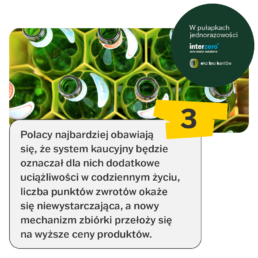
As the second part of the report shows "In the pitfalls of disposability - waiting for bail"., compiled by Interzero on the basis of qualitative and quantitative research carried out by Opinia24, awareness of the system is at varying levels. One in four Poles does not know at all that any moment now there will be more returnable packaging in our country, which will have to be returned to shops to get some of their money back. On the other hand, 77% of those surveyed are aware of its imminent introduction, but only 32% correctly indicate that returning bottles does not require crushing, tearing off labels or caps. This lack of awareness may encourage the spread of ignorance and misrepresentation about the new system and, as a result, erode confidence in the new mechanism.
Concerns and hopes
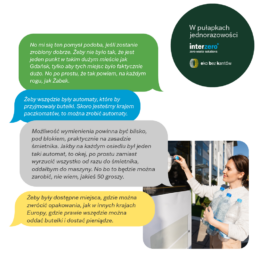
According to the survey, Poles expect the system to be simple and convenient, but at the same time they are concerned about its inconvenience. Nearly 42% of those surveyed are worried that packaging cannot be returned in every shop, and 41% are concerned about excessive distances to return points. There are also many unfounded doubts about the need for a receipt (40%), which will not need to be kept to return cans and bottles. A key element will therefore be proper education clearly explaining how the system works and the availability of the infrastructure on which the convenience of using the deposit system depends.
Bail system in Europe
In many countries of the European Union bail systems have been operating successfully for years. In Germany, for example, the return rate for packaging exceeds 98%, which shows how effective this form of separate collection and diversion of packaging for recycling can be. Key success factors are clear rules, the availability of return points (including vending machines) and a sufficiently high deposit rate.
Why is this important?
A deposit system is not only a way to a cleaner environment, but also an opportunity to make better use of secondary raw materials. At a time when the Single Use Plastic Directive is forcing changes in the packaging economy, such solutions are essential.
Read the full report
Second part of the report "In the pitfalls of disposability - waiting for bail". contains detailed analysis, data and recommendations. If you are interested in how the bail system will affect our daily lives, or want to see how you compare with the answers, be sure to read the whole thing on our website. Get ready for change and become part of the solution, not the problem!
Merry Christmas and a Happy New Year!
Christmas greetings
On the occasion of the forthcoming Christmas holidays, we wish you prosperity, a unique atmosphere, warmth and an abundance of all goods.
May the joy and peace of Christmas and a sense of personal and professional fulfilment accompany you throughout the New Year.
Wishes Interzero Group in Poland
Interzero offices open until 12:00 on 24 December
Shortened working day on Christmas Eve
Dear Sirs
We would like to inform you that on 24.12.2024 the offices of Interzero (Warsaw, Lodz, Krakow) will be open until 12 noon.
On New Year's Eve, we work regular hours.
The Interzero team
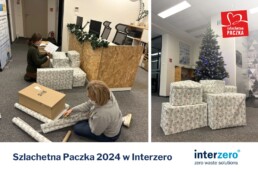
Together we do good, that is Noble Parcel 2024 at Interzero
Together we do good, that is Noble Parcel 2024 at Interzero
Once again, employees of the Interzero Group in Poland got involved in the Noble Parcel project. Thanks to their donations, it was possible to purchase gifts and necessary items for a family in Krakow.
We would like to thank this year's coordinators - Alicja Kowalska, Edyta Mantorska, Joanna Nowak, Anita Janiec, Klaudia Szymańska and Monika Krysztofińska - for organising the collection and Jarosław Dymek, Katarzyna Kacprzak, Aleksandra Stolarczyk, Aleksandra Świątek, Paulina Dulak and Joanna Marek for wrapping the gifts. A big thank you also goes to all the Interzero employees for supporting the campaign. Thanks to you, the magic of Christmas will come to yet another house!
We strongly encourage everyone who was not able to take part in the Noble Parcel this year to support the organisation with donations here. Together we can make Christmas joyful for even more families!
The SUP Directive, or a half-whistle revolution
The SUP Directive, or a half-whistle revolution
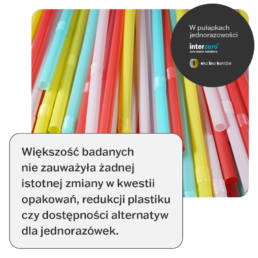
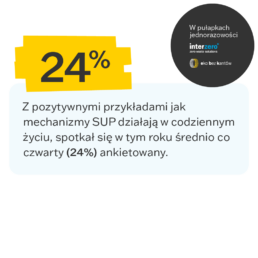
Despite the fact that the provisions of the SUP Directive have been in place in Poland for more than a year and a half, the majority of Poles have not noticed any significant change in terms of packaging, plastic reduction or the availability of alternatives to disposables, according to the latest data presented in the first part of the 'In the Traps of Disposability' report, entitled 'The Curse of Single-Use Plastic', produced by Interzero.
The revolution has passed and hardly anyone has noticed - this is how, in a few soldierly words, one could summarise the effects of the so-called Single-Use Plastic Act (hereafter also: 'SUP Act' - from Single-Use Plastic) coming into force. Only 13 per cent of respondents, declared that they knew what the SUP Directive waswhat its objectives are, and what tools will be used to achieve them.
However, it is not the awareness of Poles per se that is the issue, but the low effectiveness of the mechanisms implemented in Poland that were supposed to encourage waste prevention and product reuse. One of these is the imposition of an additional charge on plastic packaging, in force since 1 January 2024, which was supposed to - like in the case of advertising bags, for which we have been paying for several years - encourage us to use reusable packaging for drinks and food.
The snag, That 42 per cent of respondents never even noticed these additional charges. In contrast, as much as 56 per cent systematically ignore them because they are usually low enough in relation to the amount on the receipt (on average a few tens of pennies, the most being around PLN 2 per item) that they do not encourage people to give up the convenience that the vast majority of respondents see in disposable packaging. "You don't have to wash them, return them to any point or return them to a restaurant, or carry them with you in case of spontaneous decisions to order a takeaway meal," respondents also pointed out during in-depth focus research conducted independently by Opinia24.
Multiple use - still little incentive
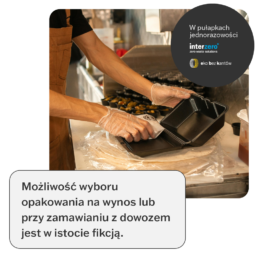
Unfortunately, it is also a fiction from the respondents' perspective to offer an alternative type of packaging in catering establishments. It appears that this obligation is implemented more in theory than in practice - the The vast majority of respondents (79 per cent) have never encountered the option of choosing different, more environmentally friendly packaging in a restaurant or when ordering takeaway. Only one in four consumers has ever encountered information about the legally guaranteed (just under the SUP Directive) reusable packaging alternative.
This was directly confirmed by the respondents themselves - "Only choice about cutlery, whether you want extra plastic. That's the only choice I have in the application. When I come and take away, nobody asks me either. Alternatively, whether to give a net or take in my hand," said one qualitative research participant.
- "Usually there is no such option, it is just one option available at a particular place. For example, the 'Chinese' has their containers, the pizzeria has their pizza boxes and no one asks if we want anything else. I have not encountered a choice," echoed the other.
- "[...] I will say frankly that since 1 July, I have ordered many times, more than 15 times or more, and no one either in the premises or on the phone has offered me anything like that," - indicated another respondent.
What does discarded packaging say about us?
In the first part of the report 'In the traps of reusability', entitled 'The curse of single-use plastic', we also read a lot about the eating habits of Poles: what they order most often, where and how they order (by phone, app, in person), what they pay attention to when they look at the packaging they are offered, and what they think about reusable packaging.
And these are just some of the findings from the qualitative and quantitative research to help diagnose and describe the state of implementation of the single-use plastics directive in Poland. The qualitative research involved interviews with 24 people, the quantitative CAWI research was conducted on a nationwide representative sample of 1,000 people. You can read the entire publication here: https://ekobezkantow.pl/raporty/w-pulapkach-jednorazowosci/
About Eco without the corners
In 'Eco without the squiggles', we talk about ecology without bending the truth. We deal with myths, fake news and half-truths. Our aim is to explain why waste should be separated, not just how to do it properly.
"Eco without a corner" was born out of the belief that in a world full of misinformation and greenwashing, a reliable source of accurate information is needed. We cover topics such as sustainability, recycling, GOZ and legislation related to waste management. We discuss the environmental impact of packaging, batteries and electro-waste, as well as how to reuse them as valuable resources.
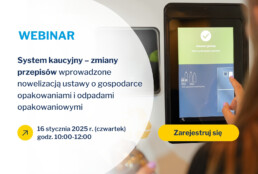
Participate in the training course "Deposit system - regulatory changes introduced by the amendment of the Packaging and Packaging Waste Management Act".
Participate in the training course "Deposit system - regulatory changes introduced by the amendment of the Packaging and Packaging Waste Management Act".
Amendment to the Packaging and Packaging Waste Management Act
The Packaging and Packaging Waste Management Act of 13 June 2013 introduced provisions for the inclusion of certain beverage packaging in a deposit scheme. The deposit systems were to be launched, in accordance with the provisions of this law, from January 2025. However, in order for them to function properly, a number of additional amendments to the Act proved necessary, in line with demands made, among others, by entrepreneurs introducing packaged beverages.
What will we talk about during the training?
The training will discuss the changes to the provisions of the Packaging and Packaging Waste Management Act of 13 June 2013 introduced by the Amendment Act passed in December 2024, including, among others, the postponement of the launch of deposit schemes and the consequences thereof, changes to the drinks covered by the deposit scheme, changes to the way deposits are collected, the inclusion of unclaimed deposits in VAT.
The exact scope of the topic:
- Clarification of the provisions for obtaining authorisations to set up bail schemes.
- Exclusion of milk and milk product packaging from deposit schemes.
- Making the collection of deposits mandatory at each stage of the sale of packaged beverages.
- Enabling so-called reverse logistics by vendors.
- Obligation for operators of commercial units with an area of 200 m2 or less to collect reusable glass packaging.
- Subject to VAT on the unclaimed deposit.
- Postponement of the launch of bail systems
The training will be led by: Pawel Sosnowski, Board Commissioner for Environmental Regulation at Interzero
Registration link HERE
Who should take part?
The webinar is primarily aimed at:
- Entrepreneurs introducing packaged beverages
- Environmental specialists
- Persons responsible for packaging waste management in retail chains
- Anyone interested in the latest legal regulations on packaging management
You are cordially invited to attend the webinar!
Registration for lasts until: 16 January 2025 by 8:00 am.
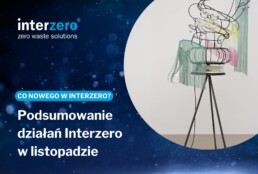
What happened in November? Read Interzero's summary of the last month
What happened in November? Read Interzero's summary of the last month
Speeches at industry events, training courses and campaigns and educational workshops - even though the end of the year is approaching and the holiday spirit is already in the air, we at Interzero are still going strong. We would like to invite you to read a summary of November in the Interzero Group in Poland, in which we briefly outline the most important events of the past month.
Interzero Environmental Sustainability Dashboard with international GRI Assurance certification
Environmental Sustainability Dashboard from Interzero is now licensed by the Global Reporting Initiative (GRI)! This is another step for us to make ESG reporting simple and accessible to every company. At the same time, we want our tool to be reliable. Through the GRI Licensing Software & Tools Program, GRI ensures that our Environmental Sustainability Dashboard accurately and efficiently addresses GRI standards, based on best practices. The key benefits of our programme are accurate sustainability reporting, helping you meet legislation and attracting stakeholders - through robust and transparent reporting. We are almost certain that even companies that will not be subject to ESG reporting will need to keep records if they want to work with larger entities.
Business and carbon neutrality - Interzero in external debates
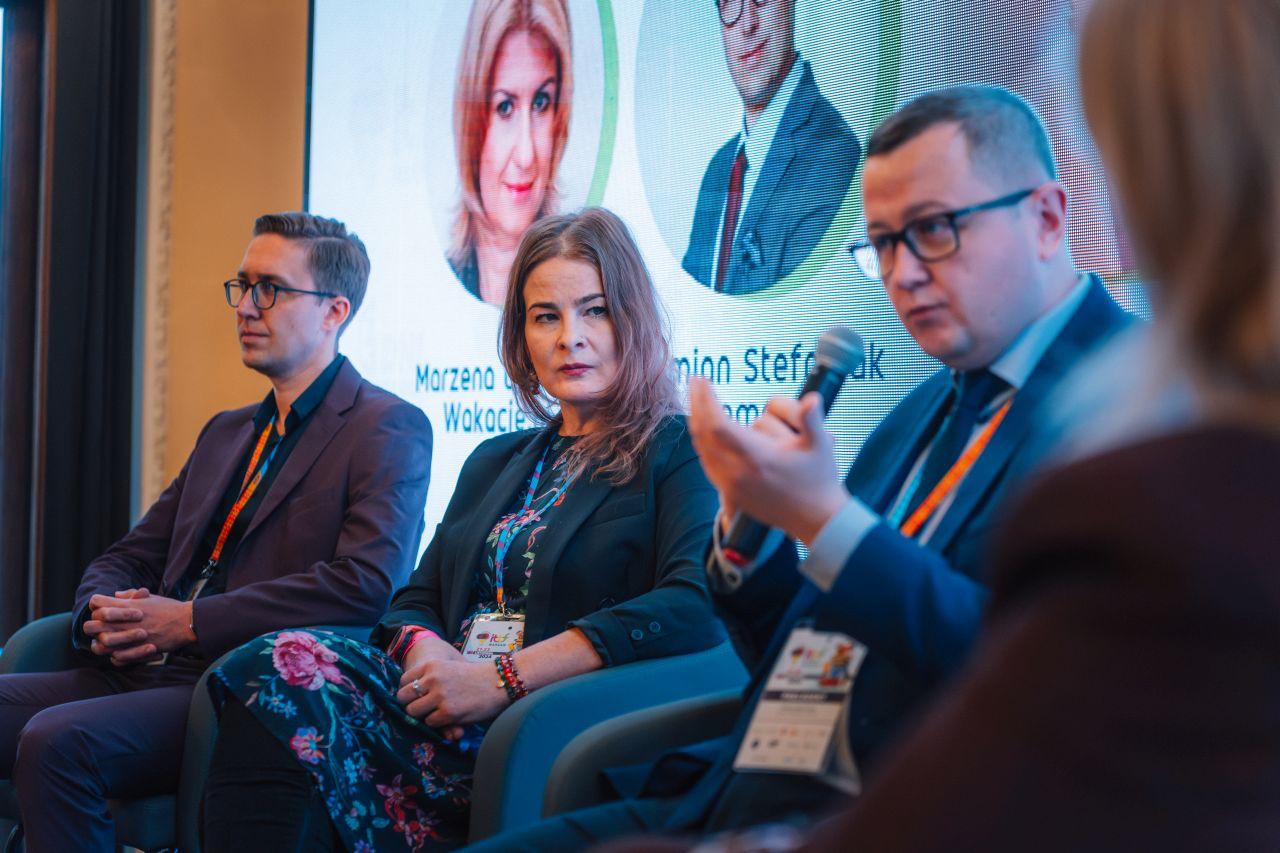
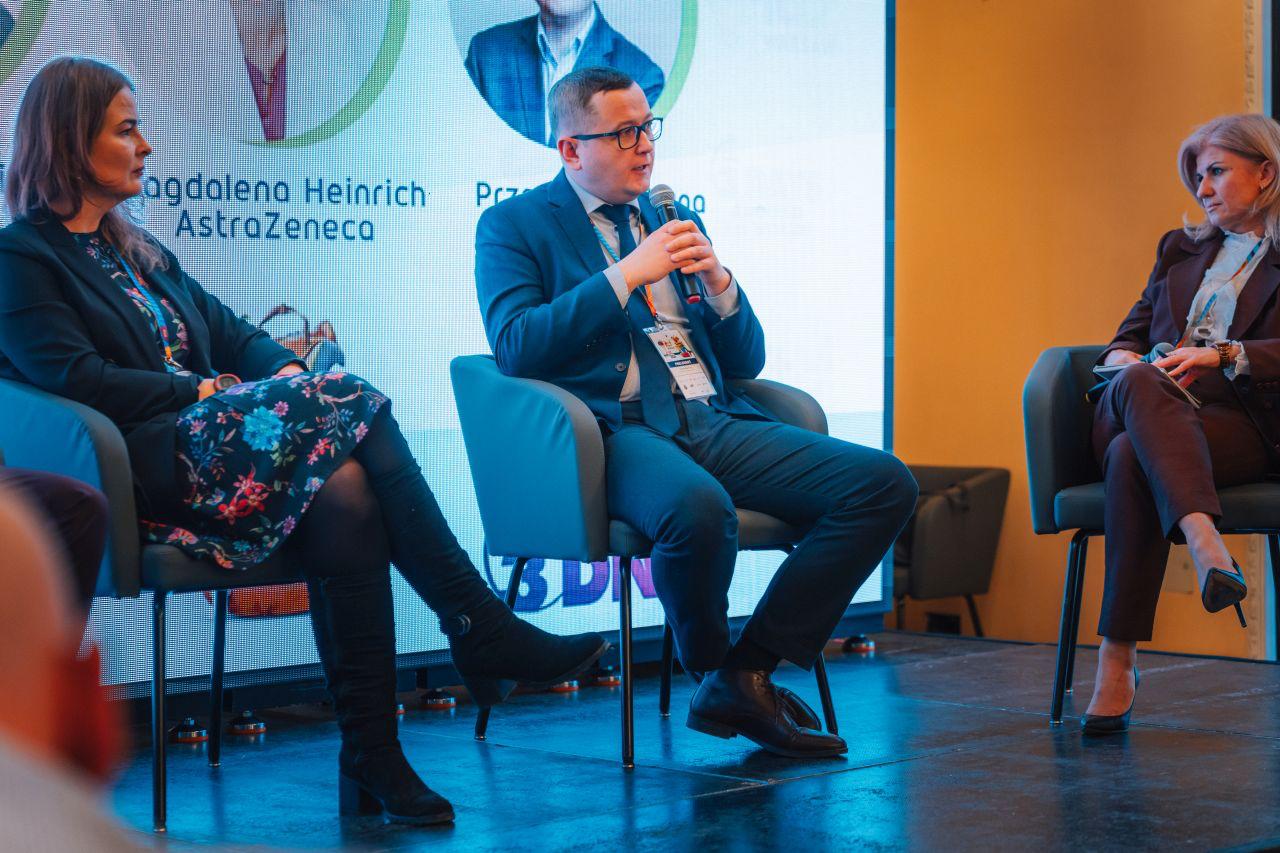
This month Interzero had the pleasure of be a guest speaker at the ITTF Warsaw international trade fair, that is, at one of the largest events in the travel industry, where partners involved in the development and promotion of the sector come together. Our representative, Managing Director at Interzero Przemysław Kuna, took part in a panel entitled "The impact of supplier selection on the carbon neutrality of business travel. How sustainability policies affect business travel management'. Przemysław advocated that industry players who have not yet taken an interest in ESG should not be crossed out. The speakers talked not only about business travel, but also about fleet electrification and infrastructure in Poland.
In addition, Przemyslaw also took part in the debate Rzeczpospolitaej: "How to reconcile fire and water, i.e. the needs of business and cities vis-à-vis the ROP during the mobilisation of work on the law".held in the editorial office of the daily newspaper as part of the 'Fight for Climate' series. Our expert took a concrete stance - as Interzero, we are in favour of a free market and transparent extended producer responsibility model. Everyone wants to know what they are paying for and why. We do not want entrepreneurs to become mere objects on which further financial obligations can be imposed. We encourage you to read the article summarising the debate here.
On-the-job training - WIOŚ control no longer intimidating!
At the end of November, Łukasz Pachucki conducted a classroom training course at our headquarters in Łódź for the second time, this time under the title 'Environmental inspection control in a company'. We are very pleased that we were able to carry out this project in more intimate groups. The exchange of knowledge, experience and the opportunity to ask any questions to an expert allows for an in-depth study of the topic. The companies whose employees attended the training already know every step of the inspection, and thanks to the Q&A session and the opportunity to consult with our expert after the training, they have guidelines and plans in place to ensure that the inspection of the WIOŚ goes smoothly. We would like to thank the presenter for the substantive workshop and all the participants for their confidence - we hope to see you at future classroom trainings!
At the intersection of culture and sustainable development - workshops and campaigns
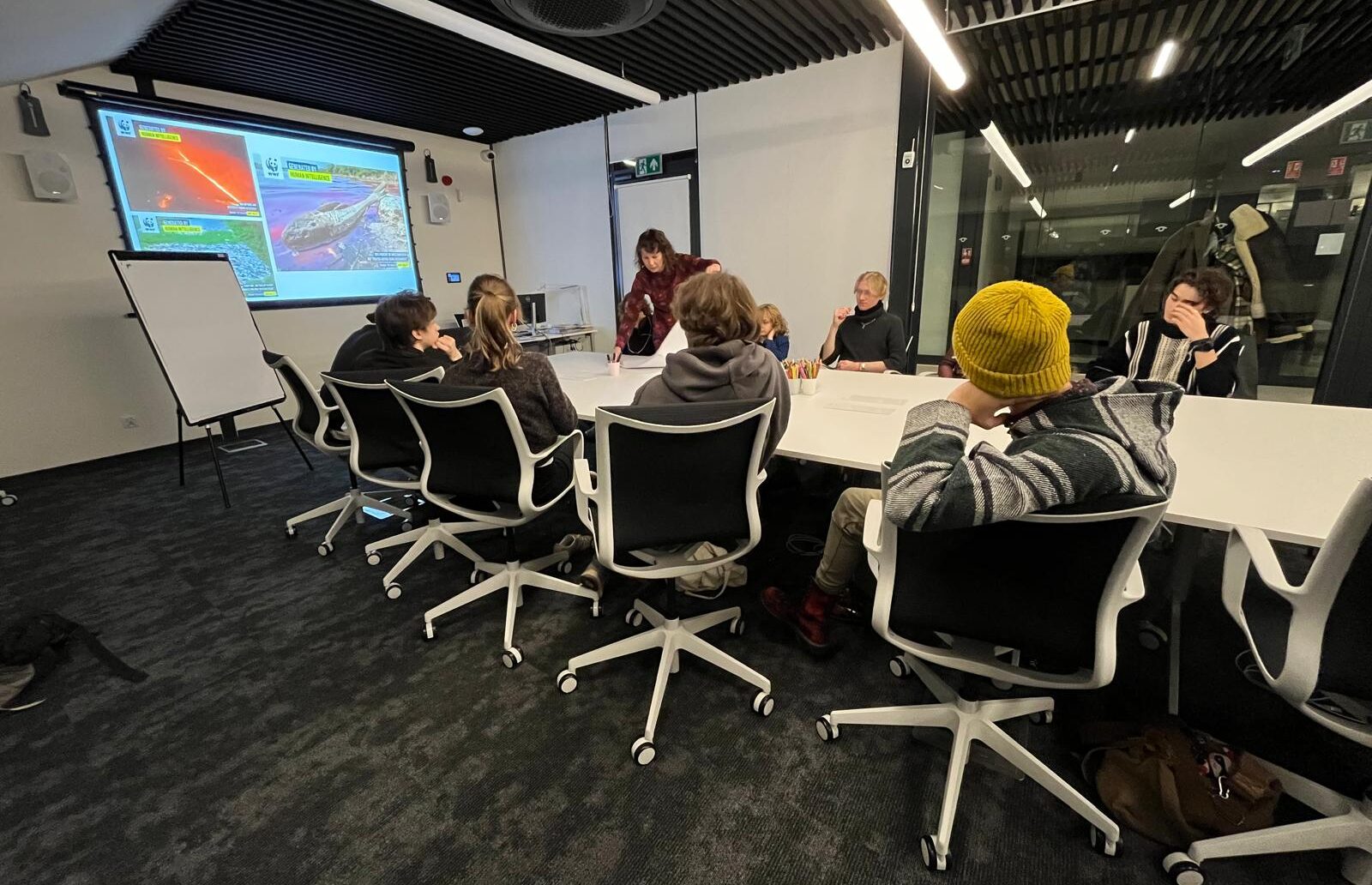
On the initiative of the Interzero Environmental Education Team, in cooperation with the Foundation Bęc Zmiana, a workshop entitled "Architecture of Waste" took place on 23 November in a Warsaw theatre.. Among the topics of the meeting were the new waste regulations. These are inextricably linked to the creation of appropriate urban, housing and communication spaces. Through the prism of their own experiences from many sectors, the participants generated ideas for new solutions which could, for example: help consumers to be active in the deposit system. Architects Michał Sikorski and Petro Vladimirov and artist Zofia Strumiłło-Sukiennik were invited to the workshop. The choice was not accidental - each of the presenters tackles the subject of waste in a different way. The workshop was part of the series 'Laboratory of Happiness Research. Life after comfort", an art and research project.
On 29 November, the Museum of Photography in Krakow hosted the debate "Look! Does it work?", which focused on the topic of social campaigns about waste. This was a continuation of Interzero's collaboration with this cultural institution. The pretext for the talk was Interzero's research 'Between the pluses and the minuses' and 'We pack in the trouble', which indicates that young adults are less engaged with environmental issues. Speakers included: Alicja Waszkiewicz-Raviv who is scientifically involved in visual communication and campaign effectiveness, Dominika Lenkowska-Piechocka, founder of the agency Who Will Save The Planet, and Edyta Mantorska - head of the Environmental Education Team at Interzero. The debate was preceded by a workshop aimed at young people.
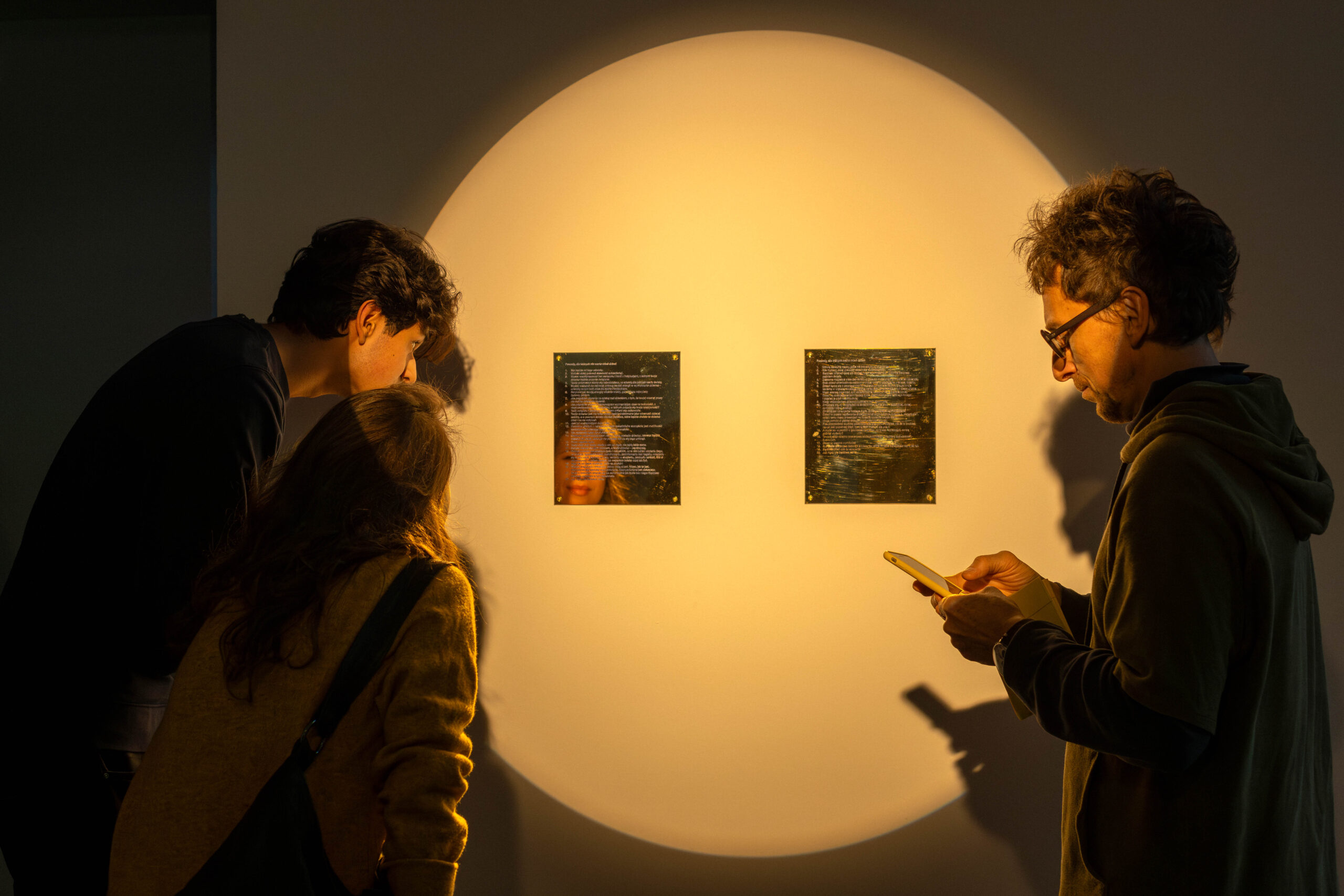
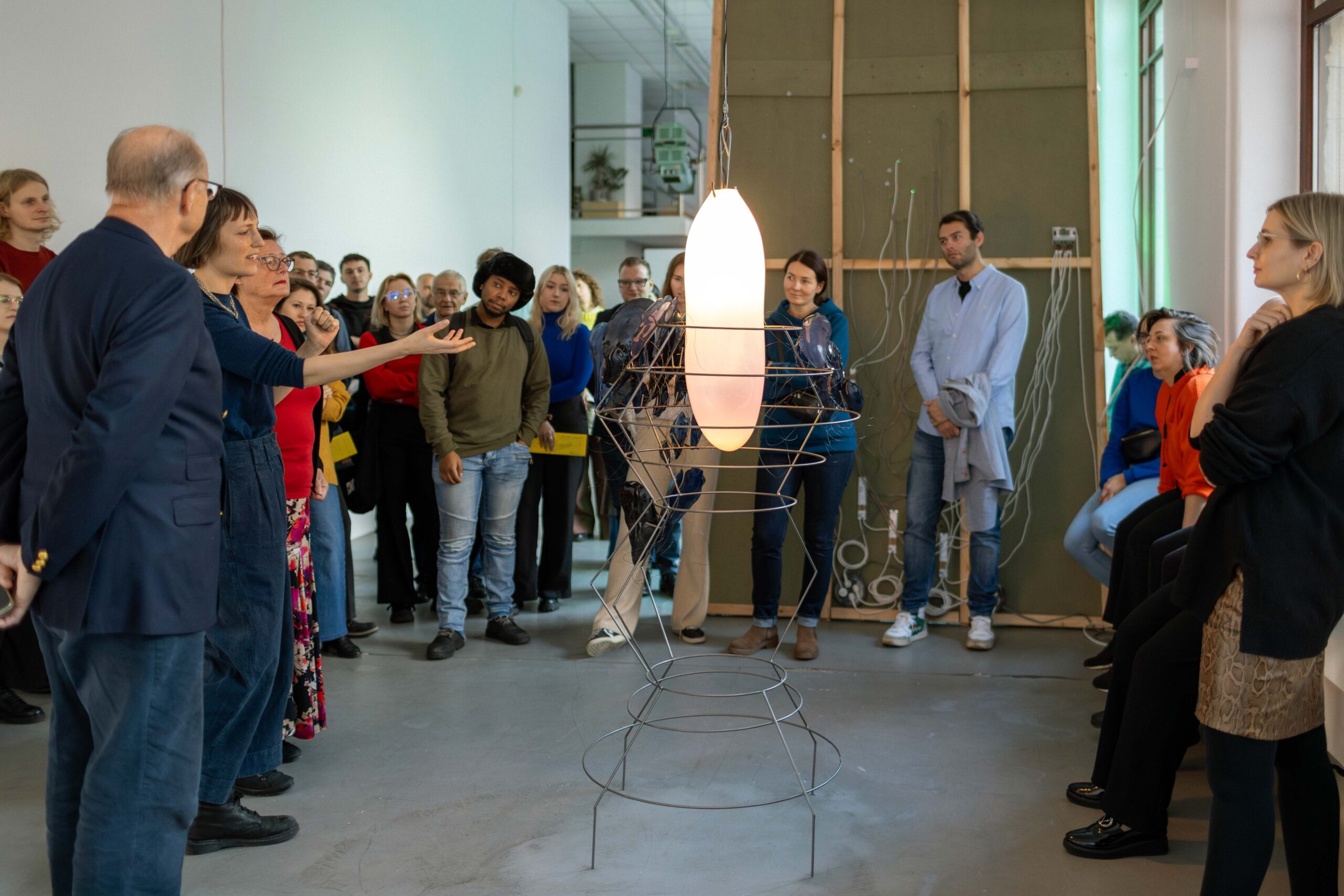
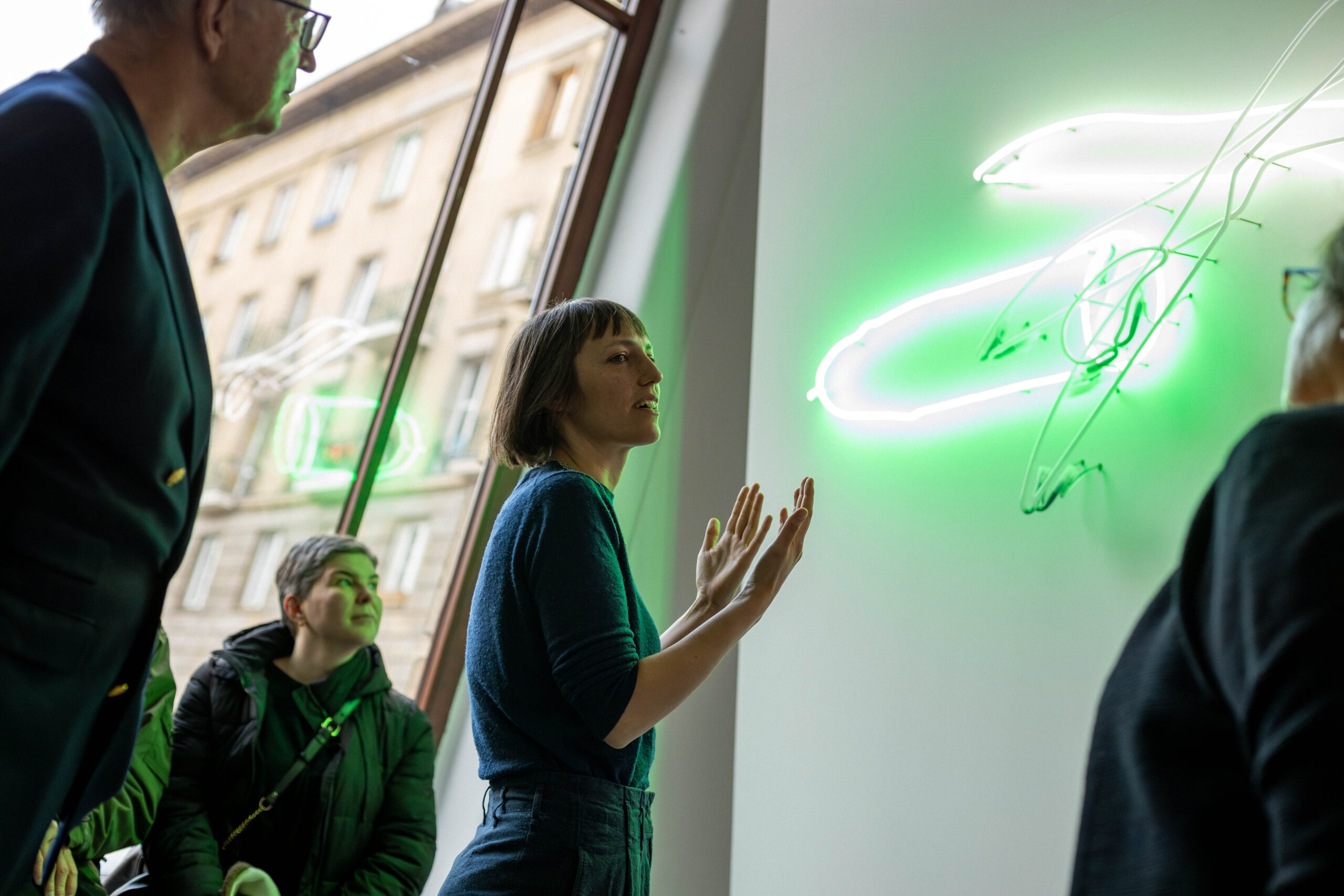
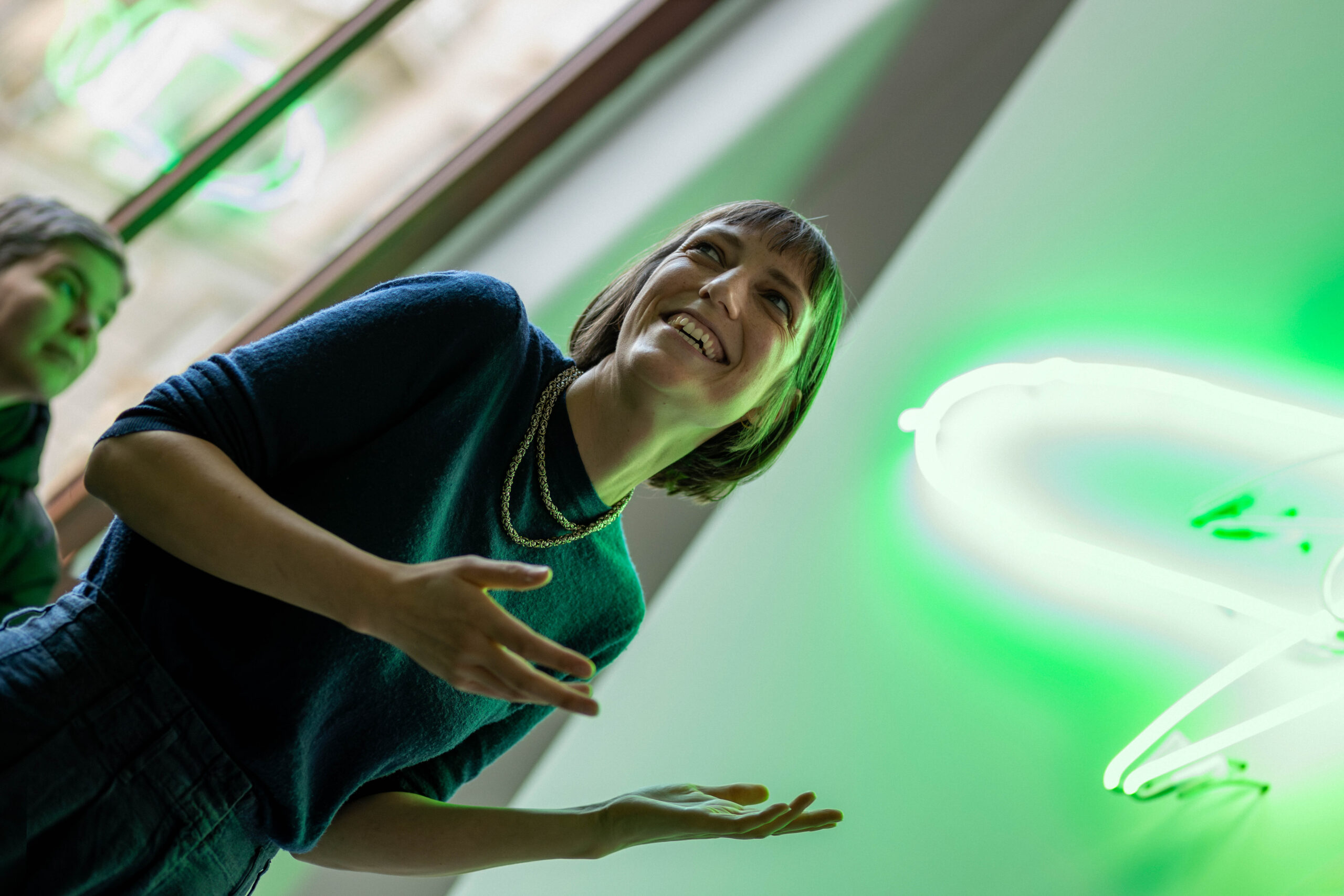
We ended the month by partnering with BWA Wrocław on the 'Limited Exhibition' project. At 9-10 Kościuszki Square in the Lower Silesian capital, seven sculptures by Kasia Fudakowski will be on display until 16 February. One of the main motifs of the exhibition is the theme of limited resources in the context of production; the artist was inspired to create the exhibition by her reflections on how 'culture and art are inextricably linked to the energy resources available on Earth and the power structures that dispose of these resources'. The artist has ceded control of the exhibition to the public while simultaneously limiting the energy that powers it. The question, then, is whether every visitor will be able to see the exhibition in the same form. Interzero's Environmental Education team has prepared an educational programme in collaboration with the institution in December that relates fully to the topic of electro-waste.
Body, mind and ecology - or how to recharge your batteries with Interzero
November saw the conclusion of the social campaign "Recharge your batteries", which had been running since September as part of the Eco Without Borders project, under the substantive patronage of the Malgosia Braunek Be Foundation and in collaboration with the Mindy app. During the project, a series of free webinars was held where participants had the chance to meet online with independent experts. Among other things, we talked about ecopsychology, the benefits of forest bathing, somatic practices to relieve stress and a healthy diet for the body and the planet. In addition, participants were able to gain premium access to the Mindy app by posting photos of themselves disposing of batteries on their social media with the hashtag #naladujswojebaterie.

November was a month full of mainly educational as well as socio-cultural events. We would like to thank all Interzero employees involved in the aforementioned activities, as well as the partners for inviting us to collaborate - joint intersectional workshops and debates are something that always bring people together and provide more opportunities for development and wider education of the public about the essence of sustainability.
Join Interzero - Let's create a world without waste together!
Join Interzero - Let's create a world without waste together!
Interzero, a developer of integrated environmental services, is looking for new talent is looking for ambitious and committed people to join its team. If you want to work for a company that focuses on innovation and sustainability, we have the perfect positions for you to choose from.
We are currently recruiting for the following positions:
- Customer Service Specialist (Customer Service Specialist) | Warsaw
- Key Account Manager (Recycling) | Warsaw
- Key Account Manager (Recycling) | Krakow
- Key Account Manager (Secondary raw materials and waste market) | Warsaw
- Key Account Manager (Secondary raw materials and waste market) | Krakow
- Administration Specialist | Kraków
- Junior specialist for BDO system support | Kraków
Why join Interzero?
- Mission and Values:Interzero is a company that strives to create a world without waste. Our mission is to minimise our environmental impact through innovative recycling and waste management solutions.
- Professional Development:We offer extensive opportunities for professional and personal development. At Interzero, we value creativity and initiative, supporting our employees in reaching their full potential.
- Working in a Team:When you join us, you become part of a dynamic and close-knit team that works together to achieve ambitious goals. Cooperation and mutual support are the foundations of our organisational culture.
- Innovative Projects:We work on innovative projects that have a real environmental impact. Your commitment and ideas can contribute to creating a more sustainable future. See for yourself what we offer companies: https://interzero.pl/uslugi/
- Stability and Security:Interzero is a stable employer that offers attractive employment conditions and a benefits package. We care about our employees, providing them with comfortable working conditions and development opportunities.
If you are ready for new challenges and want to contribute to creating a better world, join Interzero! Together we can achieve more and realise our vision of a world without waste.