
Plastics in circulation: think bigger!
A milestone on the road to zero waste: Interzero and packaging manufacturer Coveris have formed a strategic partnership to close the plastic cycle. Used films are recycled and turned into new packaging.
Time is running out. From 2030, all plastic packaging must contain a clearly defined minimum percentage of recycled materials, according to the EU Packaging Regulation (PPWR). This represents an opportunity to protect the climate and resources, but also a challenge for manufacturers: how to ensure access to recycled raw materials in sufficient quantities and of consistent quality at all times?
Coveris and Interzero are jointly demonstrating how it works: with the ReCover product series, Coveris has already made significant progress towards a closed-loop system; the partnership with Interzero, an international raw material supplier, now makes it possible to scale up these technical innovations. The materials collected and sorted by Interzero are mechanically recycled at ReCover's facilities and processed into high-quality recyclates. They are then reused in the production of packaging - this is how a sustainable, closed-loop economy works.
„Creating real closed loop solutions together”.”
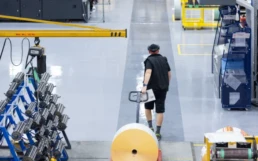
In conversation: Philipp Niehues, ReCover business development director at Coveris
How does the collaboration with Interzero contribute to Coveris' vision of zero waste?
As a provider of packaging solutions for industry and food, we are working hard to integrate sustainable materials with a high recycled plastic content (PCR) into our products - many of our industrial customers already use packaging containing up to 80% PCR. By working with Interzero, we aim to further close this loop and offer truly closed solutions. We want to give our customers the opportunity to return waste from transport packaging for use in new products. Together, we are creating a more sustainable value chain, reducing waste and actively implementing zero waste.„.
How do the partners complement each other?
The ability to offer such solutions presents, not least, a logistical challenge - and this is exactly what Interzero offers. Coveris already has film recycling capacity in the UK and is currently working on setting up such structures in the EU as well. We see a strong demand for high-quality recycled materials for film production. Through its long-standing partnership with Interzero, Coveris secures access to large quantities of high-quality film waste as raw material, thus ensuring a constant and sustainable supply of recycled materials.
What raw materials are suitable for closed-loop circulation in the Coveris production process?
At present, we are focusing on high-quality PCR materials from shop-floor waste, as these provide the best starting point for the production of high-quality recycled film. In the medium term, however, the importance of other film waste from LVP plants will also increase. In order to efficiently return these materials to circulation, we are investing in new technologies that enable high-quality processing into premium granulate. Together with Interzero, we also want to establish a continuous exchange of knowledge and use additional waste streams to increase the availability of sustainable raw materials for the packaging industry and develop innovative recycling solutions.
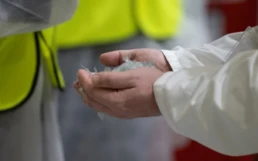
Where are recyclates from ReCover plants already being used and what demand for raw materials do you expect in the coming years?
Key areas of application now include shrink sleeves and shrink hoods for reliable protection of palletised loads, as well as stretch films that offer high puncture resistance and stability while reducing material consumption. With Duralite™ R, our award-winning range of shrink films, a fully recyclable solution for packaged products is available. Coveris currently recycles around 120,000 tonnes of LDPE pellets per year and the proportion of recycled material is steadily increasing. Over the next three years, we anticipate an annual demand of around 50 000 tonnes of recycled LDPE. The increased use of recycled materials in these packaging solutions enables a sustainable and resource-efficient packaging strategy - without compromising on quality and performance.